
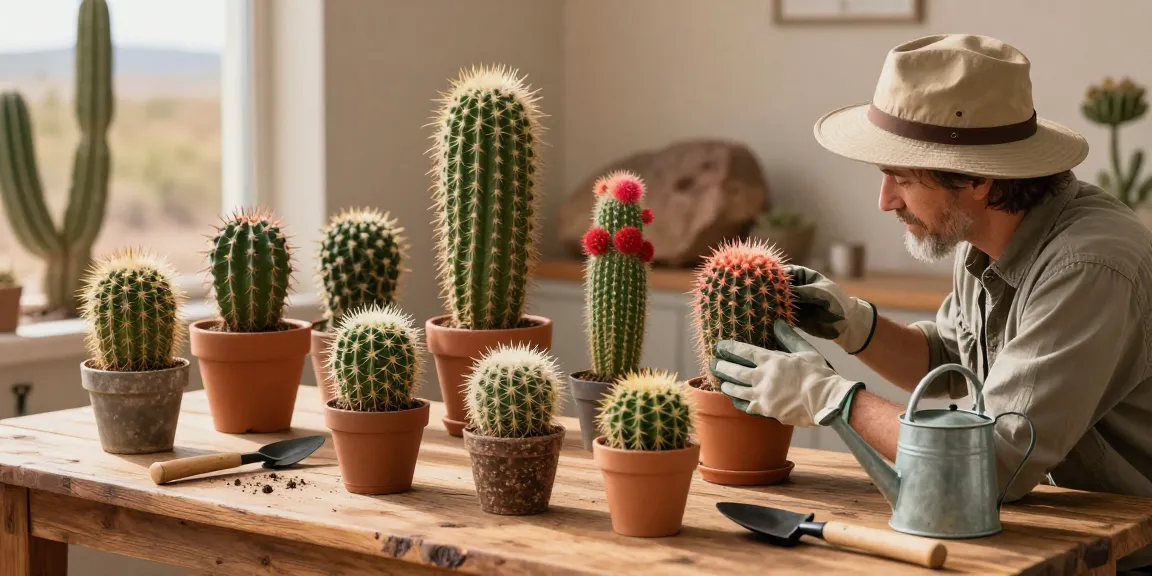
Introduction to Lophophora williamsii: The Peyote Cactus
The world of cacti is a fascinating blend of resilience, beauty, and cultural significance, and among its most intriguing members is Lophophora williamsii, commonly known as Peyote. This small, spineless cactus, native to parts of Mexico and the southern United States, is not just a visual delight but also holds a prominent place in many indigenous cultures. With its unique appearance and the psychoactive properties derived from its alkaloids, particularly mescaline, Peyote has garnered interest from both collectors and spiritual practitioners alike. When exploring options, Lophophora williamsii provides comprehensive insights into acquiring and caring for this remarkable cactus.
What is Lophophora williamsii?
Lophophora williamsii is a small, round cactus that typically reaches a diameter of 5-12 cm and is characterized by its greenish hues and absence of spines. Known for its unique “button-like” formation, the plant often features distinct ridges and can produce small flowers that bloom in the spring. Its slow growth rate means it can take several years to reach maturity, making it a prized specimen for collectors. Beyond its aesthetic qualities, Peyote is renowned for its psychoactive properties, particularly in ceremonial contexts among Native American tribes, where it has been utilized for thousands of years.
Historical Significance and Uses
The history of Lophophora williamsii is deeply intertwined with various indigenous cultures. Native American communities have used the plant in religious ceremonies and healing practices for centuries, viewing it as a sacred entity that connects them to the spiritual world. The consumption of Peyote, often in the form of chewed buttons, induces altered states of consciousness, which are considered profound and transformative experiences. This rich cultural background is a key aspect of why collectors and growers treasure Peyote beyond its botanical beauty.
Botanical Characteristics of Peyote
From a botanical perspective, Lophophora williamsii belongs to the Cactaceae family and showcases a variety of unique characteristics. The cactus is usually solitary but can form clusters over time. It has a thick, fleshy body that serves as a water reservoir, enabling it to thrive in arid environments. The flowers are typically pink or white and open during the day, adding to the cactus’s ornamental appeal. Additionally, the plant’s growth is extremely slow, often taking anywhere from 10 to 30 years to reach full size.
Growing Lophophora williamsii: Best Practices
Cultivating Lophophora williamsii requires a tailored approach to mimic its native habitats, ensuring healthy growth and thriving specimens. Understanding the specific conditions that facilitate its growth can significantly enhance your success as a grower.
Ideal Growing Conditions
Peyote prefers a warm, dry climate, making it ideal for cultivation in regions with low humidity and plenty of sunlight. It thrives best in temperatures ranging from 20°C to 30°C (68°F to 86°F) during the daytime, with slightly cooler nights. During the growing season, which typically spans from late spring to early autumn, it’s essential to provide direct sunlight for at least a few hours each day to promote healthy growth and flowering.
Soil and Watering Guidelines
For optimal growth, Lophophora williamsii requires well-draining soil. A cactus-specific soil blend or a mix of potting soil, sand, and perlite works well to provide the necessary drainage. Overwatering is a common mistake; it’s crucial to water your Peyote sparingly, allowing the soil to dry out completely between waterings. Typically, watering once every few weeks during the growing season is sufficient, while reducing frequency during the dormant winter months.
Common Pests and Diseases
Despite its hardy nature, Lophophora williamsii can be susceptible to certain pests, including mealybugs and spider mites. Regularly inspecting your cactus for signs of infestation can help prevent damage. Additionally, root rot is a significant concern, often resulting from overwatering. To mitigate this risk, ensure proper drainage and avoid excessive moisture buildup in the soil.
Harvesting and Using Lophophora williamsii
Harvesting Lophophora williamsii requires careful consideration, particularly given its cultural significance and the legal regulations surrounding its use. Proper understanding of the ethical aspects surrounding its harvest is essential for both sustainability and respect for traditional practices.
Ethical Considerations for Harvesting
As Peyote is classified as a protected species in some regions, ethical harvesting practices are crucial. Harvesting should be done sparingly and with a focus on sustainability, ensuring that the plant can continue to thrive in its natural environment. It is recommended to only harvest small portions of the plant when necessary and to leave sufficient material for regeneration. Working with local conservation efforts can also be beneficial in promoting the plant’s protection and sustainable harvesting.
Cultural Significance in Native Practices
In various Native American cultures, Peyote is more than just a plant; it is a vital component of spirituality and ceremony. The use of Peyote in rituals is deeply revered, and its psychoactive properties are seen as a way to gain insight, healing, and connections with spiritual dimensions. Understanding this context is essential for anyone interested in growing or using Lophophora williamsii.
Preparing Lophophora williamsii for Use
For those who responsibly harvest Lophophora williamsii for personal use, preparation typically involves drying the buttons, which can then be consumed in various forms. Some people choose to chew the dried buttons directly, while others may prefer to make teas or extracts. It’s crucial to approach this process with respect and awareness of the plant’s powerful effects.
Purchasing Lophophora williamsii: Where to Buy
When considering the purchase of Lophophora williamsii, knowing where to find quality specimens is critical. Reliable suppliers can help ensure that you get healthy plants that are well-cared for and legally sourced.
Trusted Online Suppliers
Numerous online suppliers offer Lophophora williamsii plants and seeds. It is vital to choose reputable vendors who prioritize ethical sourcing and high-quality products. Always check customer reviews and their policies regarding sustainable practices before making a purchase.
Price Range and Value Factors
The price of Lophophora williamsii can vary widely depending on factors such as the plant’s size, age, and where it is being purchased. On average, smaller plants may start around $20, while larger, mature specimens can command prices of $100 or more. Ensure you weigh the price against quality and ethical sourcing to determine value.
What to Look for in Quality Plants
When shopping for Lophophora williamsii, look for clear signs of health, such as vibrant coloration, firm structure, and absence of pests or disease. Authenticity is also paramount; verify the source to ensure you are receiving a true representation of the species.
Future Trends in Cactus Cultivation and Lophophora williamsii
As interest in cacti, particularly Lophophora williamsii, continues to grow, several emerging trends are reshaping cultivation practices and market dynamics.
Emerging Techniques for Cultivation
Innovative farming techniques are beginning to take hold in cactus cultivation, including hydroponic systems and controlled environment agriculture. These methods can enhance growth rates and reduce resource use, creating a more sustainable framework for cultivating rare plants like Peyote.
Sustainability in Cactus Production
Sustainability is becoming increasingly critical in all agricultural sectors, including cactus production. Growers are adopting practices that minimize their environmental impact, such as using organic fertilizers and water-efficient irrigation systems. This shift is essential for the long-term viability of cacti, which can be vulnerable to overharvesting and habitat loss.
Forecasting the Market for 2026
As more individuals become interested in cacti and their unique properties, the market for Lophophora williamsii is expected to expand. This growth presents both opportunities and challenges, particularly in maintaining ethical sourcing and cultural respect. Understanding trends in consumer preferences and cultivating practices will be key for growers aiming to succeed in this evolving market.
FAQs about Lophophora williamsii
As you explore the world of Lophophora williamsii, several common questions often arise. Here are a few that can help clarify your journey:
- Can Lophophora williamsii be grown indoors? Yes, with the right light and care conditions, Lophophora can thrive indoors, provided it receives ample sunlight.
- What are the legal considerations for growing Peyote? Laws vary by region, and it’s essential to be aware of local regulations, particularly concerning cultivation for personal use.
- How to care for Lophophora williamsii? Provide well-draining soil, minimal watering, and plenty of sunlight, while ensuring protection from pests.
- What products are available for Lophophora enthusiasts? You can find seeds, live plants, and care supplies specifically designed for Lophophora cultivation.