1. Introduction to the Fire Tetrahedron
The concept of the fire tetrahedron is essential for understanding how fires ignite, sustain, and extinguish. Unlike the fire triangle, the tetrahedron introduces a fourth element, making the understanding of fire dynamics more comprehensive. Understanding the elements that contribute to fire allows for better prevention, safety measures, and firefighting tactics.
1.1. What is the Fire Tetrahedron?
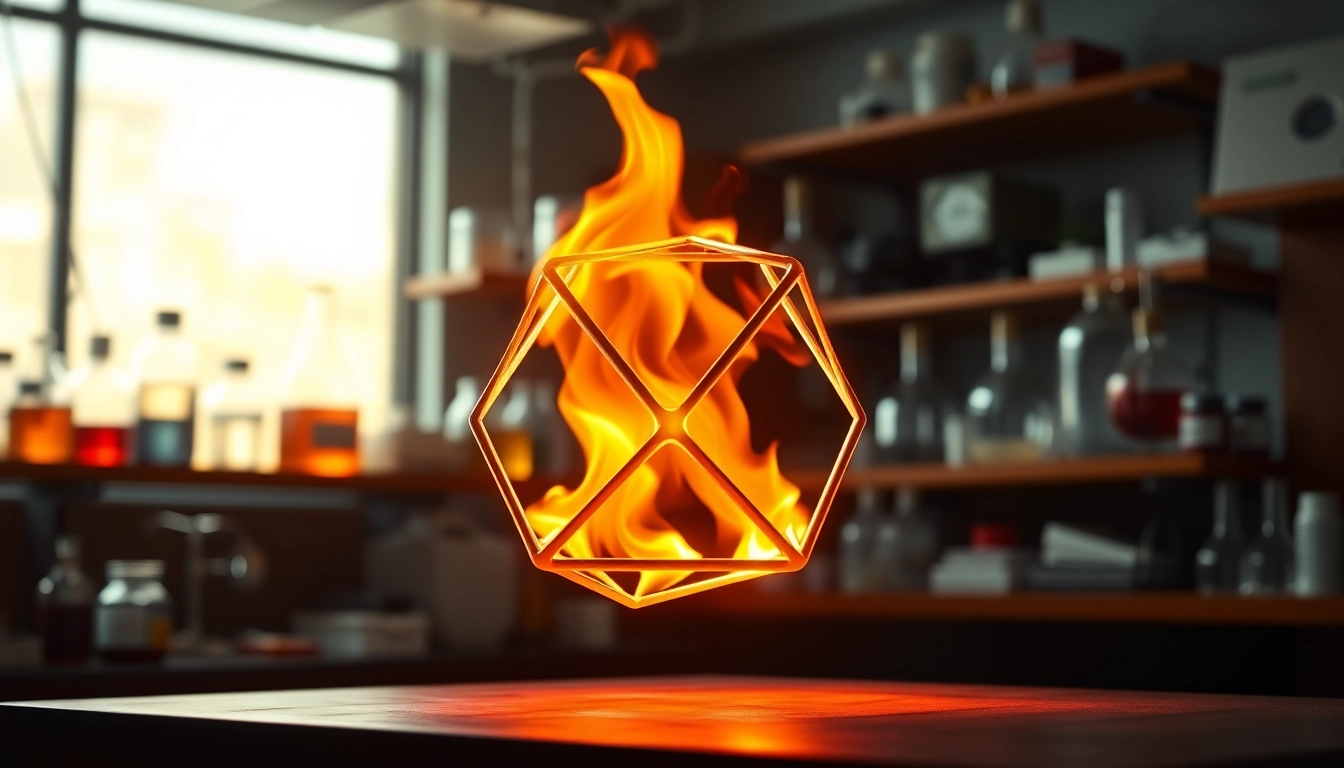
The fire tetrahedron consists of four elements: heat, fuel, oxygen, and a chemical chain reaction. Each element must be present for a fire to start and continue burning. This model expands the traditional fire triangle, which only includes heat, fuel, and oxygen, by acknowledging the role of the chain reaction in sustaining combustion. The tetrahedron illustrates how each element interacts and what happens when one is removed.
1.2. Importance in Fire Safety
Understanding the fire tetrahedron is crucial for developing effective fire safety protocols. By analyzing how fires occur and propagate through the interactions of these elements, individuals, organizations, and communities can implement better prevention strategies and respond more effectively in emergencies. Knowledge of the tetrahedron aids in training firefighters, designing fire-safe buildings, and educating the public about fire hazards.
1.3. Historical Context
The development of the fire tetrahedron concept arose from advancements in fire science. Early fire safety education primarily centered around the fire triangle, which was adequate in many respects but lacked depth. As research progressed, the realization emerged that merely removing one of the three elements could not sufficiently explain fire behavior. The addition of the chemical chain reaction revealed a more accurate and holistic understanding of how fires operate, leading to improved techniques in firefighting and prevention.
2. The Four Elements of the Fire Tetrahedron
2.1. Heat: The Catalyst of Fire
Heat is the energy source necessary for combustion to occur. It can be provided by various means, such as friction, electrical sparks, or spontaneous ignition. To ignite a fire, the temperature of the fuel must reach its ignition point. Once ignition occurs, the heat produced will continue to sustain the fire, raising the temperature of surrounding materials, which may also reach ignition temperatures. This phenomenon is critical to understanding how quickly fires can spread.
2.2. Fuel: What Supports Combustion
Fuel is any material that can combust, providing the substance for the fire to consume. This can include solids like wood, liquids like gasoline, or gases like methane. The type of fuel significantly affects the fire’s characteristics, including its intensity, duration, and spread. Different materials have varying ignition points and burn rates, so understanding the fuel type is vital for both fire prevention and firefighting strategies.
2.3. Oxygen: The Life Force of Fire
Oxygen is essential for combustion, as it serves as the oxidizing agent in the reaction with fuel. Ambient air contains about 21% oxygen, which is generally sufficient for most types of combustion. However, certain conditions can affect the availability of oxygen, such as the enclosure or ventilation of a space. In fire prevention, controlling oxygen levels can be a critical strategy for extinguishing fires or preventing them from starting.
3. Interactions and Relationships
3.1. How the Elements Work Together
The interplay of heat, fuel, oxygen, and the chemical chain reaction determines the behavior of fire. When combined, these elements create a self-sustaining process. Heat raises the temperature of the fuel, allowing it to release flammable vapors, which then combine with oxygen to create more heat. This cycle illustrates why removing one element can effectively extinguish a fire; without heat, fuel cannot ignite, and without oxygen, combustion cannot occur.
3.2. The Chain Reaction Explained
The chain reaction in a fire involves free radicals, highly reactive particles formed during combustion. These free radicals perpetuate the reaction by constantly finding more fuel and oxygen, causing further combustion. Interrupting this chain reaction is crucial in firefighting, which is often achieved through chemical extinguishing agents that inhibit these reactive particles, breaking the cycle and stopping the fire.
3.3. Scenarios of Fire Development
Fire development scenarios can vary depending on the environment and available materials. For example, in a confined space, a small fire can rapidly escalate due to increased heat and limited oxygen escape. Conversely, a well-ventilated space might allow a fire to smolder before it fully ignites. Understanding these scenarios helps in anticipating fire behavior in different settings, critical for both safety planning and emergency response.
4. Applications in Fire Protection
4.1. Fire Prevention Techniques
Effective fire prevention techniques directly relate to an understanding of the fire tetrahedron. Strategies include reducing available fuel, eliminating heat sources, and controlling oxygen levels. This can involve routine inspections of storage areas and equipment, maintaining clear escape routes, and using fire-retardant materials in construction. Educating the public and workers about these techniques can significantly reduce fire risks.
4.2. Effective Firefighting Strategies
Firefighting strategies often focus on removing one or more elements of the fire tetrahedron. For instance, firefighters may deploy water or fire retardants to cool down the flames, thus reducing heat. Similarly, using foam can suffocate the fire by displacing oxygen. Understanding these tactics not only helps in extinguishing fires effectively but also in planning responses to various fire scenarios.
4.3. Designing Fire-Safe Environments
When designing fire-safe environments, builders and architects can apply the principles of the fire tetrahedron proactively. This includes selecting appropriate building materials, ensuring proper ventilation, and incorporating fire suppression systems, such as sprinklers. A thoughtful design minimizes fire risk and allows for effective response measures should a fire occur, ultimately making communities safer from fire hazards.
5. FAQs about the Fire Tetrahedron
5.1. Why is the Fire Tetrahedron important?
The fire tetrahedron is vital for understanding fire dynamics, allowing for better prevention, safety, and firefighting techniques.
5.2. How can I prevent a fire?
Preventing a fire involves eliminating heat sources, reducing fuel availability, and ensuring adequate ventilation to control oxygen levels.
5.3. What is the role of oxygen in combustion?
Oxygen is the oxidizing agent needed for combustion; without it, fire cannot sustain itself or ignite.
5.4. Can fire exist without one of the elements?
No, fire cannot exist without one of the tetrahedron’s elements: heat, fuel, oxygen, and the chain reaction must all be present.
5.5. How does understanding the tetrahedron help firefighting?
Understanding the tetrahedron aids firefighting by enabling responders to target specific elements to effectively extinguish the fire.