Introduction to Petite Sirah
Defining Petite Sirah
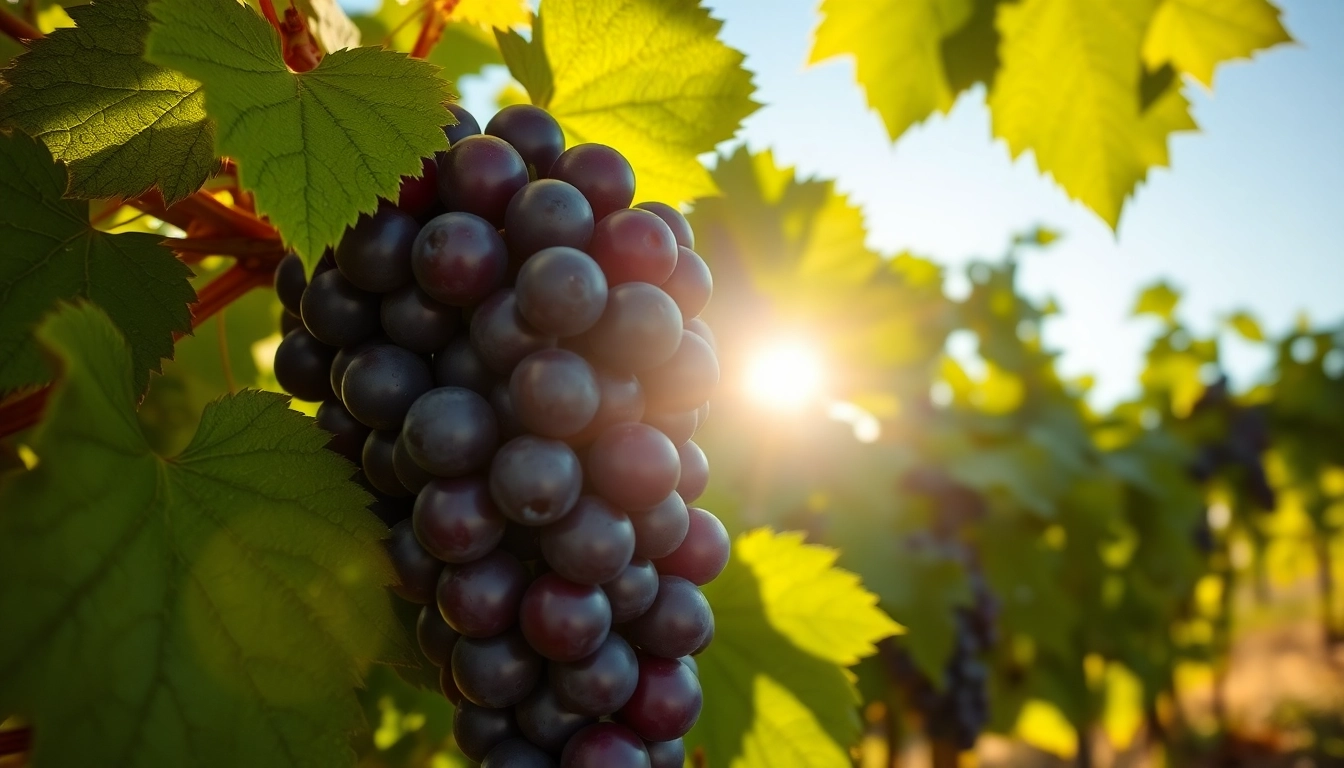
Petite Sirah is a red wine grape variety known for its deep color, bold tannins, and rich flavors. Often confused with Durif, its true essence lies in its ability to produce wines that are both robust and complex. With a reputation for intensity, petite sirah has captured the attention of wine enthusiasts who appreciate full-bodied reds that have a unique character.
The History Behind Petite Sirah
Dating back to the 19th century, Petite Sirah’s origins trace back to France, where it was initially cultivated in the Rhône region. It emerged as a cross between Syrah and Peloursin, a lesser-known varietal. Its adaptability to different climates allowed it to flourish in diverse environments, ultimately making its way to California in the 1880s. The California climate proved perfect for this grape, fostering its growth and establishing its presence in the wine market.
Characteristics of Petite Sirah Wines
Petite Sirah wines are characterized by their inky black color, which hints at the richness within. On the palate, they often present intense flavors of dark fruits, such as blackberry and plum, accompanied by notes of black pepper, chocolate, and tobacco. The tannins are significant yet velvety, providing a structure that invites both enjoyment now and the potential for aging. This intricacy makes every bottle an engaging experience for wine lovers.
Flavor Profiles and Pairings
Common Flavor Notes in Petite Sirah
The flavor profile of Petite Sirah is diverse and multifaceted. Common tasting notes include:
- Bold dark fruits like blackberry and blueberry
- Earthy undertones of wet rock and gravel
- Spicy hints of black pepper and clove
- Subtle floral notes, often reminiscent of violet
- Complex layers of chocolate, leather, and tobacco
This rich tapestry of flavors makes it an exciting wine to explore, offering new revelations with every sip.
Food Pairing Recommendations
When it comes to pairing, Petite Sirah’s bold nature complements a wide variety of dishes. Here are some excellent pairings:
- Grilled meats, such as lamb or steak, to match its intense profile
- Hearty stews and braised dishes for balanced flavor
- Rich, savory barbecue sauces that highlight its fruitiness
- Strong cheeses, particularly aged Cheddar or blue cheese
- Chocolate-based desserts, which enhance residual sweetness
These combinations serve to enhance the wine’s natural characteristics while creating a harmonious dining experience.
Transform Your Meal with Petite Sirah
Integrating Petite Sirah into your meals can elevate the dining experience significantly. Consider hosting a wine and food tasting night focused on this varietal. Pairing several dishes with different styles of Petite Sirah allows guests to appreciate the wine’s adaptability and evolving flavors. For example, serving a grilled steak alongside a vintage Petite Sirah will highlight a wonderful marriage of flavors, emphasizing the wine’s depth and character.
How to Taste and Appreciate Petite Sirah
Assessing Aroma and Flavor
To fully appreciate Petite Sirah, it’s essential to engage the senses. Start by observing the wine’s color in the glass – its deep purple hue indicates richness. Swirl the wine gently to release its aromas. Inhale deeply to notice the complex bouquet, which often includes dark fruits, spices, and floral notes. As you take a sip, allow the wine to coat your palate, paying attention to the layers of flavor that unfold, from bold fruitiness to spicy and earthy undertones.
Glassware and Serving Temperatures
Choosing the right glassware can significantly impact your tasting experience. A large-bowled glass allows for better aeration, enhancing the aromas and flavors. Ideal serving temperatures for Petite Sirah typically range from 60°F to 65°F (15°C to 18°C), making it pleasantly warm without overpowering any subtleties. Serving it at this temperature ensures the wine expresses its full complexity and richness.
Creating the Perfect Tasting Experience
For a memorable tasting experience, create an atmosphere that encourages relaxation and enjoyment. Dimming the lights, using music softly in the background, and ensuring comfortable seating can enhance the experience. Offer a selection of food pairings that complement the wine, allowing guests to explore different flavor combinations. Consider inviting a knowledgeable friend or sommelier to share insights about the wines being tasted, fostering discussion and engagement.
Growing and Harvesting Petite Sirah
Ideal Conditions for Petite Sirah Vines
Petite Sirah thrives in warm climates, requiring ample sunshine and well-drained soil for optimal growth. The grape is particularly sensitive to temperature fluctuations, which means that regions with a consistent warm climate, like California, provide ideal conditions for cultivating this varietal. Vine resources should also be managed correctly, ensuring that each vine receives enough nutrients and water without becoming overly stressed.
Harvesting Techniques and Timing
The timing of the harvest is crucial for developing the best flavor profile in Petite Sirah. Generally, this grape is harvested in late summer to early fall, depending on the climate and growing conditions. Vineyard managers often assess sugar levels and acidity, aiming for a balance that signals peak ripeness. Hand harvesting is preferred for this grape, allowing for careful selection and minimizing damage to the berries.
Winemaking Process for Petite Sirah
Once harvested, the grapes undergo traditional winemaking processes that vary slightly based on the desired end product. Upon arrival at the winery, grapes are destemmed and crushed. Fermentation typically occurs in stainless steel tanks at controlled temperatures to preserve vibrant fruit characteristics. Oak aging is common, as it adds complexity and depth. It’s crucial to monitor the aging process closely, as the intense tannins of Petite Sirah can become more pronounced over time.
Frequently Asked Questions about Petite Sirah
What is the origin of Petite Sirah?
Petite Sirah originated in France as a cross between Syrah and Peloursin. It has since gained significant popularity in California, where it truly flourishes.
How should Petite Sirah be served?
Petite Sirah is best served in a large-bowled glass, at a temperature of 60°F to 65°F, which enhances its aromas and flavors.
Can Petite Sirah age well?
Yes, Petite Sirah can age beautifully due to its robust tannins and acidity, allowing it to develop more complex flavors over time.
What are the best food pairings for Petite Sirah?
Petite Sirah pairs excellently with grilled meats, hearty stews, strong cheeses, and chocolate desserts, complementing its bold character.
Is Petite Sirah the same as Durif?
Yes, Petite Sirah is often referred to as Durif, but the two names refer to the same grape variety, originating from France.