
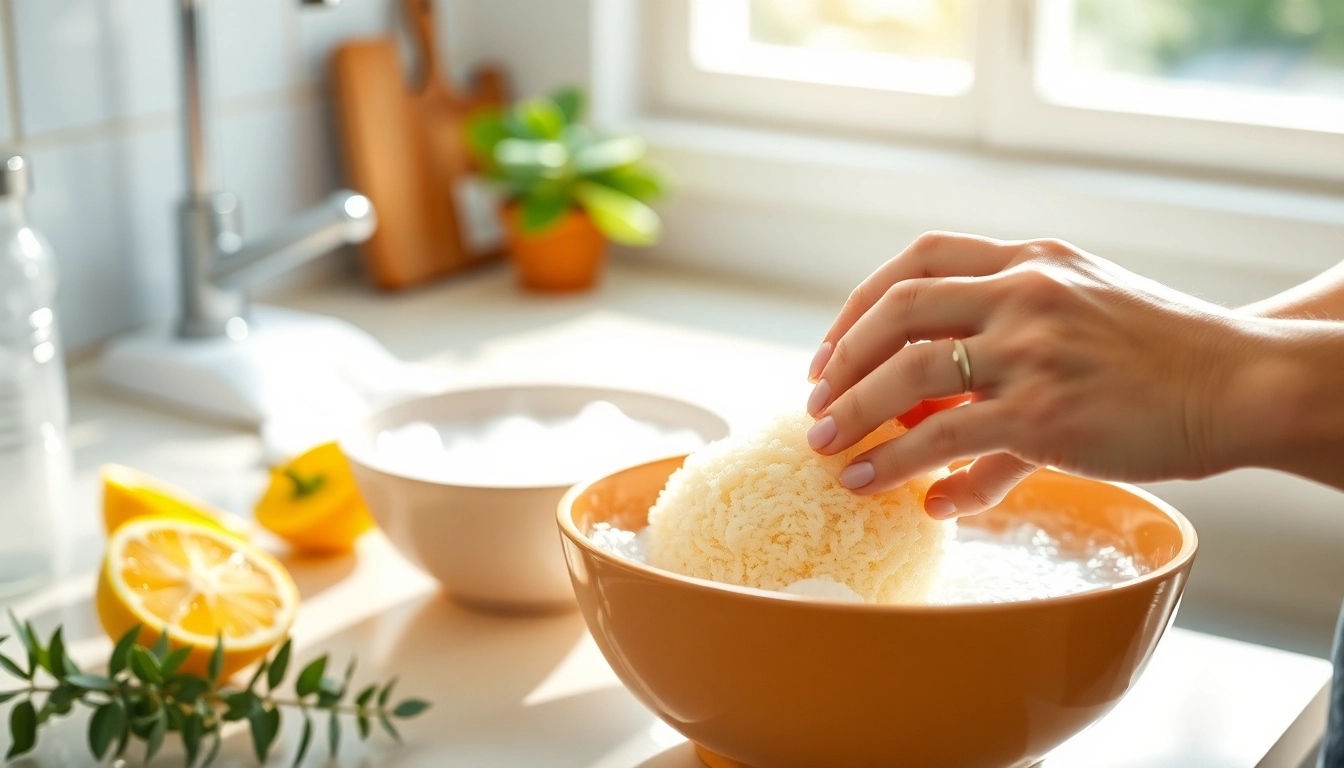
Understanding the Importance of Cleaning Your Loofah
Maintaining proper hygiene is crucial in every aspect of our daily lives, and personal care items like loofahs are no exception. Knowing how to clean a loofah effectively not only protects your health but also prolongs the life of the product itself. A clean loofah promotes a fresher bathing experience and enhances skin health.
The Risks of Poor Hygiene
Loofahs are classic beauty tools used for exfoliating and cleansing. However, they can quickly become breeding grounds for bacteria if not properly cared for. When loofahs retain moisture and are not cleaned regularly, they can harbor mold, mildew, and bacteria, which can lead to skin irritations, infections, and acne flare-ups. Researchers have demonstrated that loofahs can accumulate significant microbial growth within just a few uses, resulting in potential risks if used on the skin without cleaning.
Frequency of Cleaning
To keep your loofah hygienic and effective, it is essential to clean it regularly. The general recommendation is to cleanse your loofah every two to three uses. For those who use loofahs daily, a weekly deep cleaning regimen is advisable. Additionally, observe any changes to the loofah’s texture or smell, as these can indicate that it requires immediate attention and cleaning.
Natural Benefits of a Clean Loofah
Regularly cleaning your loofah provides various benefits, such as maintaining its exfoliating properties and enhancing your bathing experience. A clean loofah ensures that you’re not scrubbing your skin with potential irritants or harmful bacteria. Furthermore, clean loofahs can help retain their softness and longevity, saving you money in the long run by reducing the frequency of replacement. Ultimately, keeping a clean loofah contributes not only to personal hygiene but also to skin health and overall well-being.
How to Clean a Loofah Naturally with Soap
Choosing the Right Soap
Selecting the right type of soap for cleaning your loofah can significantly affect the efficacy of the cleaning process. Opt for a mild, natural soap free from harsh chemicals or fragrances. Many people find that an organic castile soap works exceptionally well, as it’s gentle yet effective. Avoid antibacterial soaps that may leave residues that could irritate your skin. Always opt for biodegradable and environmentally friendly options to minimize your ecological footprint.
Step-by-Step Cleaning Process
- Preparation: Begin by rinsing the loofah under warm running water to remove any excess soap, dirt, or skin cells.
- Lather: Apply a small amount of the selected soap directly to the loofah. Use your hands to work the soap into a lather.
- Scrubbing: Gently rub the loofah against itself to thoroughly clean it, ensuring you focus on areas where soap residue might accumulate.
- Rinse: Rinse the loofah under warm water until all soap is removed and the water runs clear.
- Sanitizing: To further disinfect, soak the loofah in a solution of water and vinegar for about 5-10 minutes, then rinse again.
- Drying: Squeeze out excess water and hang the loofah in a well-ventilated area to dry completely.
Drying and Storing Your Loofah
After cleaning your loofah, the drying process is just as critical. It’s essential to avoid leaving your loofah damp, as moisture encourages bacterial growth. Hang your loofah in an airy spot, preferably out of direct sunlight, to prevent fibers from breaking down and to allow it to dry completely. Store the loofah in a clean, dry area, ideally in a space where air circulates freely. Avoid storing it in dark, damp spots like the shower or the bathroom sink.
Alternative Natural Cleaning Methods for Loofahs
Using Vinegar for Deep Cleaning
Vinegar is a natural disinfectant that effectively eliminates mold and bacteria. To use it for cleaning your loofah, prepare a solution of two parts water to one part white vinegar. Soak the loofah in this solution for approximately 10-15 minutes. After soaking, rinse well under warm water and ensure any vinegar smell dissipates before air drying. This method not only cleans but also deodorizes your loofah.
Baking Soda as a Gentle Scrub
Baking soda serves as an excellent gentle scrub for maintaining your loofah. Create a paste using baking soda and water, applying it directly to the loofah. Work the mixture into the fibers gently, ensuring you’ve covered all areas. Rinse thoroughly under running water, ensuring no baking soda remains, and then set aside to air dry. This method is particularly useful for removing odors and restoring freshness to your loofah.
Essential Oils for Freshness
Incorporating essential oils can offer additional benefits when cleaning your loofah. Oils like tea tree, lavender, or eucalyptus possess natural antibacterial properties, making them a great addition to your cleaning arsenal. Add a few drops to your soap or vinegar cleaning solutions for extra safeguarding against bacteria. Additionally, these oils impart pleasant fragrances and enhance the overall experience of using your loofah.
Signs Your Loofah Needs Replacement
Understanding Wear and Tear
Recognizing the physical condition of your loofah is essential for determining when to replace it. As loofahs age, they can lose their structural integrity and become less effective in exfoliating and cleansing the skin. A frayed, warped, or misshapen loofah should be replaced immediately to maintain optimal hygiene and performance.
Identifying Mold or Bacteria
A key sign that your loofah needs replacing is the presence of mold or unusual discoloration. If you notice fuzzy spots, discoloration, or a persistent bad smell, these are indications that harmful bacteria and mold have taken hold. Do not ignore these signs, as using a contaminated loofah can lead to skin infections. It’s best to err on the side of caution and replace it.
Recommended Replacement Frequency
As a general guideline, loofahs should be replaced every 3-4 weeks, depending on usage and care. If you use your loofah frequently or do not follow a cleaning regimen, consider replacing it more often. Staying alert to the condition of your loofah is key to maintaining a healthy bathing routine, allowing for a safe and effective skincare experience.
FAQs about Cleaning a Loofah
1. How often should I clean my loofah?
It’s best to clean your loofah every 2-3 uses to prevent bacteria growth.
2. Can I use bleach to clean a loofah?
Bleach is not recommended as it can degrade the fibers and irritate the skin.
3. What’s the best way to dry a loofah?
Hang it in a well-ventilated area to air dry completely after each use.
4. How can I tell if my loofah is old?
If it smells bad, feels slimy, or has visible mold, it’s time to replace it.
5. Is it safe to use homemade cleaners?
Yes, natural cleaners like vinegar and baking soda are safe and effective.