
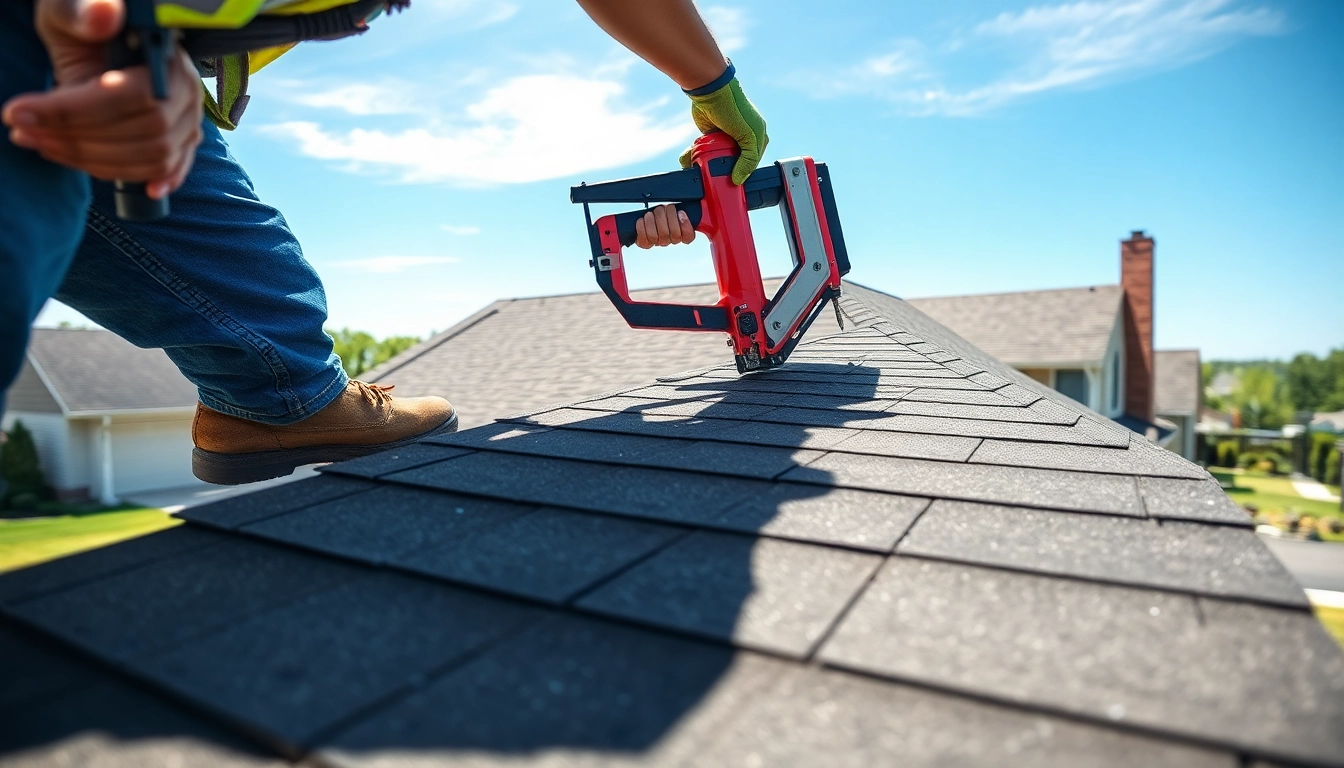
Understanding the Roofing Needs in South Jersey
When it comes to the roofing needs of residents in South jersey, several unique factors influence both the condition of existing roofs and the type of materials that homeowners may choose. Understanding these factors is critical for ensuring that your roof is not only aesthetically pleasing but also functional and durable.
Identifying Common Roofing Issues
In South Jersey, homeowners frequently face a variety of roofing issues. These problems can range from minor leaks to extensive damage caused by severe weather. Some of the most common roofing issues include:
- Leaks: Often caused by damaged shingles or improper sealing around vents and chimneys.
- Missing Shingles: High winds, hail, and falling debris can dislodge shingles, leading to significant vulnerabilities.
- Moss and Algae Growth: The humid climate in South Jersey can foster the growth of moss and algae, which not only impacts aesthetics but can also trap moisture against the roofing material, leading to decay.
- Structural Issues: Aging roofs may suffer from sagging, particularly if the support structure is compromised.
Timely identification and resolution of these issues can save homeowners significant amounts of money and stress in the long run.
Weather Effects on Roofing in South Jersey
The weather in South Jersey has a profound impact on the longevity and durability of roofs. The region experiences a mix of humid summers, cold winters, and occasional storms. These conditions contribute to wear and tear on roofing materials. Key weather influences include:
- Heavy Rainfall: Intense rainfall can lead to leaks, especially if gutters are not well-maintained.
- Snow Accumulation: The weight of snow can create stress on roofs and lead to ice dams, which can cause water back-up.
- High Winds: Storms with high winds can rip shingles off roofs, exposing the underlying materials to further damage.
- UV Exposure: Extended sun exposure can degrade roofing materials over time, leading to cracking and fading.
Homeowners should consider these weather-related factors when choosing roofing materials and planning maintenance schedules.
Types of Roofing Materials Popular in the Region
Residents of South Jersey utilize a variety of roofing materials, each with its own benefits and drawbacks. Popular options include:
- Asphalt Shingles: Widely favored for their affordability, ease of installation, and diverse aesthetic options.
- Metal Roofing: Increasingly popular due to its durability, energy efficiency, and resistance to severe weather.
- Wood Shakes: These materials offer a rustic aesthetic but require more maintenance and are susceptible to pests and moisture.
- Slate and Tile: While expensive, these materials provide an elegant look and unparalleled longevity.
Choosing the right material often depends on budget, desired aesthetics, and specific environmental challenges in the area.
Choosing the Right Roofing Contractor in South Jersey
Once you’ve determined your roofing needs, selecting the right contractor is crucial. The right professional can make a significant difference in the quality of the work and the longevity of your roof.
Essential Qualities to Look For
Qualities that should never be overlooked when selecting a roofing contractor include:
- Experience: A contractor with a lengthy track record will likely possess the necessary skills and knowledge to handle various roofing issues.
- Licensing and Insurance: Always verify that the contractor has appropriate licensing and insurance coverage to protect yourself from liability.
- References: A reputable contractor should provide positive testimonials from previous clients, showcasing their reliability and quality of work.
- Communication Skills: The ability to communicate clearly and detail the scope of work is vital for ensuring mutual understanding.
Verifying Credentials and Experience
It’s essential to thoroughly vet potential roofing contractors. Start by checking their licenses and insurance. Additionally, look into their experience by:
- Requesting a portfolio of previous work, particularly projects similar to yours.
- Checking online reviews and ratings on platforms such as Google, Yelp, and Angie’s List.
- Asking for references and contacting them to gauge satisfaction with the contractor’s work.
Ensuring that your contractor has a proven track record can help you avoid costly mistakes down the line.
Importance of Client Testimonials
Client testimonials provide insights into the contractor’s reliability, professionalism, and quality of work. Be proactive in seeking out this information:
- Read both positive and negative reviews to get a balanced view of the contractor.
- Inquire if the contractor can provide case studies where they addressed challenges similar to yours.
- Look for testimonials that highlight post-installation support and warranty claims, as ongoing service can be just as essential as the initial installation.
Testimonials can give you confidence in your choice and help you navigate potential pitfalls.
Best Practices for Roof Maintenance in South Jersey
Regular roof maintenance is critical for extending the life of your roof and avoiding unexpected and costly repairs. Homeowners in South Jersey should adopt best practices tailored to their region’s weather and environment.
Seasonal Maintenance Checklists
Developing a seasonal maintenance checklist can help ensure your roof remains in good condition throughout the year. Key tasks include:
- Spring: Inspect for winter damage, clean gutters, and check for moss and algae growth.
- Summer: Review ventilation systems and ensure proper airflow, especially if heat is building up in your attic.
- Fall: Remove fallen leaves from the roof and gutters, inspect flashings, and examine for signs of wear.
- Winter: Clear snow accumulation, if possible, to prevent ice dams, and visually check for leaks.
By tackling these tasks seasonally, homeowners can prevent minor issues from escalating into major repairs.
Signs Your Roof Needs Immediate Attention
Being vigilant about your roof’s condition can save you significant hassle. Watch for these warning signs indicating it may need immediate attention:
- Interior Water Stains: Discolored patches on ceilings or walls suggest leaks that could worsen.
- Visible Wear: Cracked or missing shingles, curling seams, or rusting metal indicate deterioration.
- Nail Pops: Buckling shingles or nails that have popped out of place can compromise structural integrity.
- Granules in Gutters: Excess granules can indicate wear on asphalt shingles and a potential need for replacement.
Prompt attention to these signs can help avert potential disasters and costly repairs down the road.
Long-Term Care Tips for Durability
Ensuring the longevity of your roof involves adopting long-term care habits. Recommended practices include:
- Regular Inspections: Schedule a professional inspection at least annually to catch issues early.
- Cleaning Gutters: Make sure gutters and downspouts are free from debris, allowing for proper drainage.
- Maintaining Trees: Trim overhanging branches to prevent damage from falling limbs or leaves.
- Investing in Quality Products: Using high-quality materials can reduce long-term maintenance costs and enhance durability.
Long-term care requires commitment but offers significant returns in terms of system integrity and lifespan.
Cost Factors for Roofing Projects in South Jersey
The cost of roofing projects can vary widely based on numerous factors. Understanding these elements can help homeowners budget effectively and avoid unexpected expenses.
Understanding Pricing Models
Roofing contractors typically use a variety of pricing models that can influence the overall cost of the project. Factors affecting pricing include:
- Material Costs: The choice of roofing materials significantly affects an overall price. Premium materials like slate can dramatically increase costs compared to asphalt.
- Labor Costs: Labor expenses can vary depending on the contractor’s expertise and the complexity of the work.
- Project Size: Larger roofs will naturally increase material and labor needs, affecting the price.
- Localized Costs: Jersey’s regional costs can influence material and labor pricing, so local expertise can be a blessing.
Understanding these elements empowers homeowners to compare estimates and negotiate effectively.
Budgeting for Unexpected Repairs
Homeowners should always allocate funds for unexpected repairs when planning a roofing project. Development of a realistic budget involves:
- Setting aside a contingency fund, usually 10-20% of the total cost, to address unforeseen issues.
- Considering the age and condition of the existing roof when estimating potential repairs.
- Reviewing warranty documents that may cover certain repair costs and involving professional inspections regularly to avoid surprise failures.
Having a financial cushion can ease the burden of sudden necessary expenses.
Financing Options for Homeowners
For homeowners requiring financial assistance, various options exist to help manage roofing project costs:
- Home Equity Loans: These loans can provide substantial funding based on the homeowner’s equity.
- Credit Cards: For smaller projects, credit cards may serve as a quick financing method, but interest rates should be considered.
- Payment Plans: Some contractors offer payment plans, allowing homeowners to spread their costs over time.
- Grants and Assistance Programs: Certain government programs aim to assist homeowners with repair costs, especially for those in financial need.
Exploring these options helps homeowners make informed financial decisions regarding roofing projects.
FAQs About Roofing in South Jersey
What are the most common roof types for South Jersey homes?
The most common roof types include asphalt shingles, metal roofing, and wood shakes, each providing different aesthetics and durability levels.
How often should I have my roof inspected?
It’s recommended to have your roof inspected at least once a year and after major weather events to ensure no damage has occurred.
What signs indicate I need a roof replacement?
Signs include heavy leaks, extensive shingle damage, significant granule loss, and an overall aged appearance beyond typical wear.
Are local materials more cost-effective?
Yes, sourcing local materials often reduces shipping costs and can lead to better pricing due to lower transportation expenses.
How can I find the right roofer for my project?
Start by checking online reviews, asking local friends for recommendations, and interviewing multiple contractors to evaluate their professionalism.