Understanding Mini Split Systems
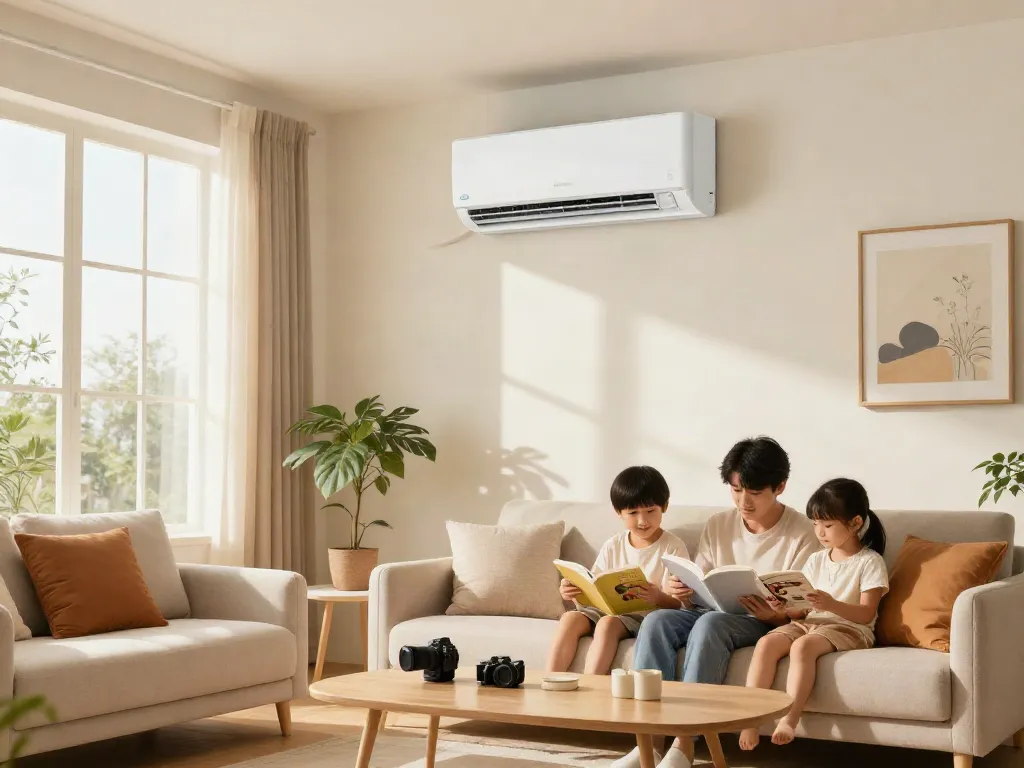
As homeowners seek more efficient and cost-effective climate control solutions, mini split systems have gained significant traction in recent years. These versatile systems provide both heating and cooling without the need for extensive ductwork, making them ideal for a variety of settings. From urban apartments to spacious homes, the mini split offers a compact and flexible solution to temperature regulation.
When exploring options, mini split systems emerge as a top choice due to their energy efficiency and ease of installation. In this article, we will delve into what mini split systems are, how they function, and their key advantages over traditional HVAC systems.
What is a Mini Split System?
A mini split system, often referred to as a ductless air conditioning system, consists of two main components: an outdoor condenser unit and one or more indoor air handling units. This design allows for precise temperature control in individual rooms or zones of a home. Unlike traditional HVAC systems that rely on ductwork, mini splits utilize refrigerant lines to connect the indoor and outdoor units, making them a more efficient option for many homeowners.
How Mini Split Systems Work
Mini splits operate using a heat pump technology, which can both cool and heat your living spaces. During the summer months, the indoor unit absorbs heat from the room and transfers it to the outdoor unit, thus cooling the indoor environment. In winter, this process reverses, allowing the unit to extract heat from the outside air (even when it is cold) and transfer it indoors.
The efficiency of mini split systems is measured by their Seasonal Energy Efficiency Ratio (SEER) for cooling and Heating Seasonal Performance Factor (HSPF) for heating. Many modern mini split units boast SEER ratings of up to 30, making them significantly more efficient than traditional air conditioning units.
Key Benefits of Mini Split Systems
- Energy Efficiency: Mini split systems use less energy than traditional HVAC systems, translating into lower utility bills.
- Flexible Installation: Without the need for ductwork, these systems can be installed in various locations, allowing for more innovative interior designs.
- Individual Room Control: Each indoor unit can be controlled independently, meaning different rooms can be set to different temperatures based on personal preferences.
- Quiet Operation: Mini split systems are generally quieter than traditional central air conditioning systems, making them suitable for bedrooms and quiet environments.
- Improved Air Quality: Many mini splits come with advanced filtration systems that can reduce allergens and improve overall air quality in your home.
Comparing Mini Split Systems with Traditional HVAC
Efficiency and Cost-Effectiveness
When evaluating costs, it’s essential to consider both the upfront investment and the long-term savings. While mini split systems may have a higher initial cost compared to traditional HVAC installations, their energy efficiency often results in significant savings on monthly utility bills. Additionally, mini splits typically require less maintenance and fewer repairs over time, contributing to their cost-effectiveness.
Installation Differences and Considerations
Installation of mini split systems is generally simpler than that of traditional systems. Without the need for ductwork, homeowners can install mini splits in a fraction of the time, often within a single day. While DIY options exist, hiring a professional ensures the system is installed correctly, maximizing efficiency and performance. It's crucial, however, to consider the placement of indoor units to enhance airflow and comfort.
Maintenance Requirements for Mini Splits
Mini split systems are designed to be low maintenance. Regular tasks include cleaning or replacing filters every few months, ensuring unobstructed airflow, and scheduling professional inspections annually. It's important to check the outdoor unit for debris and to maintain the refrigerant levels, which can ensure optimal performance throughout the year.
Choosing the Right Mini Split for Your Home
Factors to Consider When Selecting a Mini Split
Choosing the right mini split system involves considering several factors:
- Size: Ensure that the mini split system is appropriately sized for the area it will serve. A unit that is too small will struggle to cool or heat effectively, while one that is too large will cycle on and off frequently, reducing efficiency and comfort.
- Efficiency Ratings: Look for models with high SEER and HSPF ratings to maximize energy savings.
- Noise Levels: Check the noise levels of both the indoor and outdoor units, especially if noise is a concern in your living environment.
- Additional Features: Consider options like Wi-Fi connectivity, programmable timers, and enhanced air filtration systems for improved comfort and convenience.
Top Brands and Models in 2026
As of 2026, several brands stand out in the mini split market:
- Daikin: Known for their innovative technology and reliability.
- Mitsubishi Electric: Offers a wide range of models that are both efficient and quiet.
- LG: Features advanced smart controls and energy-efficient designs.
- Friedrich: Provides versatile options for different types of spaces, including residential and commercial uses.
Common Mistakes in Mini Split Selection
When choosing a mini split system, avoid these common pitfalls:
- Underestimating BTU Requirements: It’s crucial to accurately calculate the BTUs needed to cool or heat the space effectively.
- Ignoring SEER Ratings: Opting for a unit with lower efficiency may seem cost-effective initially but can lead to higher energy bills in the long run.
- Choosing the Wrong Installer: Hiring an inexperienced installer can lead to poor system performance and avoidable repairs.
Installation and Setup of Mini Split Systems
Professional vs. DIY Installation
While DIY installation of mini split systems is possible, it’s often recommended to hire a professional. A qualified technician can ensure proper installation, optimize placement for airflow, and verify that the system is working as intended. This investment can save you time and potential headaches down the road.
Step-by-Step Installation Guide
For those considering a DIY approach, here is a basic overview of the installation process:
- Prepare the Site: Choose locations for the indoor and outdoor units that allow for proper airflow and accessibility.
- Mount the Indoor Unit: Secure the mounting bracket to the wall and hang the indoor unit.
- Install the Outdoor Unit: Place the outdoor unit on a sturdy surface, ensuring it has adequate clearance for airflow.
- Connect the Lines: Run the refrigerant and electrical lines between the indoor and outdoor units and ensure they are sealed properly.
- Test the System: Once everything is connected, power on the system and check for leaks or issues.
Post-Installation Tips for Optimal Performance
After installation, consider these tips to maintain your mini split system effectively:
- Regularly clean or replace filters to ensure efficient airflow.
- Schedule annual maintenance checks with a qualified technician to identify any issues early.
- Monitor refrigerant levels and check for any signs of leaks or performance issues.
Future Trends in Mini Split Systems
Advancements in Technology for 2026
As technology continues to evolve, so do mini split systems. In 2026, advancements in inverter technology and smart home integration are expected to dominate the market. Inverter mini splits can adjust their cooling output based on the current temperature, leading to further energy savings.
Integration with Smart Home Systems
Mini split systems are increasingly compatible with smart home technology, allowing users to control their heating and cooling settings remotely through smartphones and home automation systems. This integration provides enhanced convenience and can optimize energy usage.
Environmental Impact and Energy Efficiency Trends
With a growing focus on sustainability, manufacturers are prioritizing eco-friendly refrigerants and energy-efficient designs in mini split systems. As regulations evolve, expect new models to further reduce their environmental impact while maintaining high performance.
What are the disadvantages of a mini split?
While mini split systems offer numerous benefits, there are some disadvantages to consider:
- Initial Cost: The upfront cost of mini split systems can be higher than traditional options, which may deter some homeowners.
- Aesthetics: The indoor units can be visually intrusive in some spaces, although wall-mounted units can often be blended with decor.
- Installation Complexity: While installation is generally easier than traditional systems, it still requires planning and technical know-how, which can be a barrier for some DIY enthusiasts.
Are mini splits really worth it?
For many homeowners, the energy savings, flexibility, and comfort provided by mini split systems make them a worthwhile investment. Evaluating your specific needs and considering the long-term benefits can help you make an informed decision.
What does a mini split usually cost?
The cost of a mini split system varies based on factors such as the brand, capacity, and installation complexity. On average, homeowners can expect to spend anywhere from $2,000 to $5,000 for a complete system, including installation.
Do mini splits work in 100-degree weather?
Yes, mini split systems are designed to operate efficiently even in extreme heat, with many models functioning effectively in temperatures up to 115 degrees Fahrenheit. However, it's crucial to ensure your unit is appropriately sized for your space to maintain optimal performance.
Can mini splits be used for heating?
Absolutely! Mini split systems provide both heating and cooling capabilities, making them an excellent choice for year-round climate control. They are particularly effective in moderate climates but can also perform well in colder regions with proper sizing and insulation.