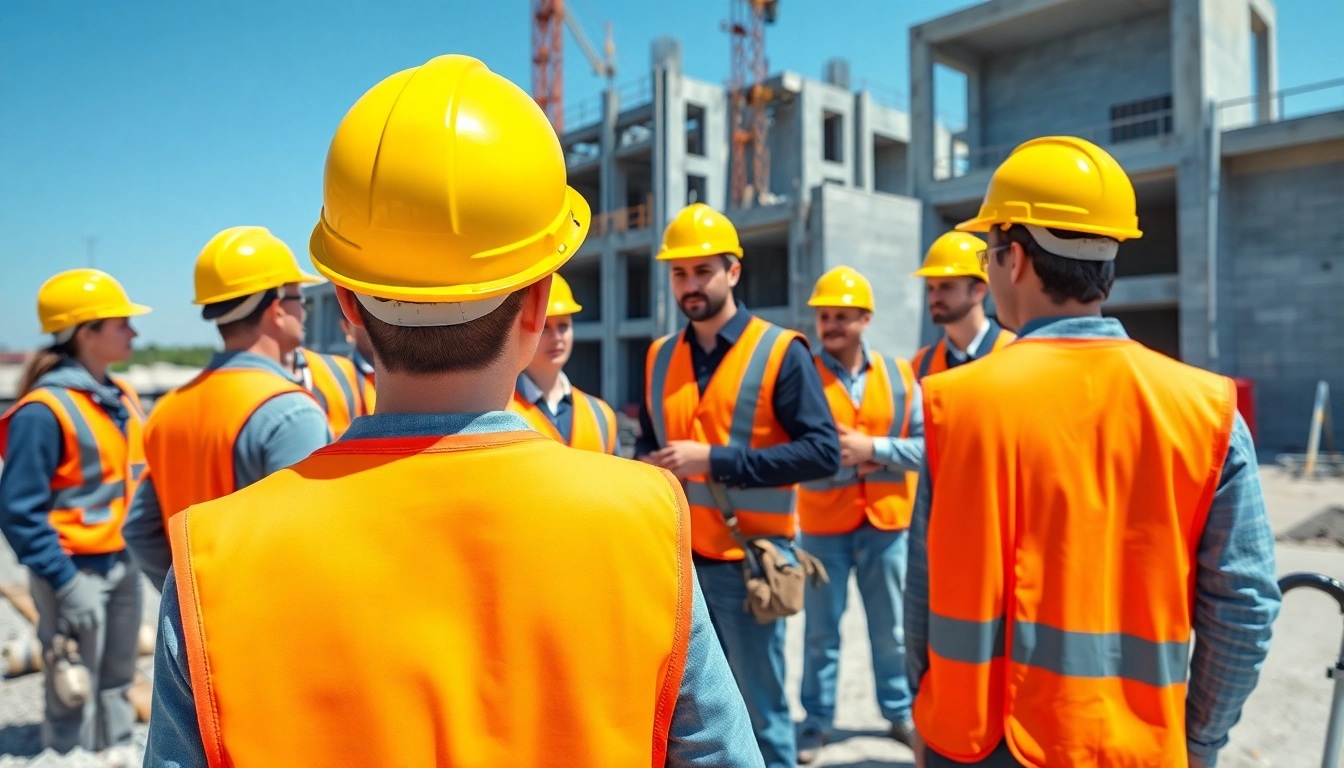

Understanding the Role of a New York Construction Manager
The role of a New York Construction Manager is an essential component in the construction industry, especially considering the complexities and unique challenges inherent to projects in New York. A construction manager oversees various aspects of construction projects, ensuring they are completed on time, within budget, and according to specified quality standards. Their responsibilities range from project planning and budgeting to managing teams and ensuring safety compliance on-site.
Job Responsibilities and Key Functions
A New York Construction Manager must exhibit proficiency in several key functions. Their primary responsibilities include:
- Project Planning: Developing comprehensive project plans that outline tasks, timelines, and resource allocation.
- Cost Management: Preparing and managing budgets, determining costs for materials and labor, and ensuring financial efficiency.
- Team Coordination: Leading and coordinating the project team, including architects, engineers, subcontractors, and laborers.
- Compliance Monitoring: Ensuring all construction activities adhere to local regulations, safety standards, and building codes.
- Quality Control: Conducting regular inspections and assessments to verify that the project aligns with desired quality benchmarks.
Qualifications Required for Success
To thrive as a New York Construction Manager, candidates typically need:
- A bachelor’s degree in construction management, civil engineering, or a related field.
- Significant hands-on experience in the construction industry, often a minimum of five years.
- Proficiency in construction management software, budgeting tools, and project management methodologies.
- Strong leadership skills and effective communication capabilities.
- Certifications from recognized bodies, such as Project Management Professional (PMP) or Certified Construction Manager (CCM).
Common Challenges Faced
The role is not without its challenges. New York Construction Managers often encounter:
- Regulatory Hurdles: Navigating New York’s complex zoning laws, permits, and inspection requirements can be daunting.
- Stakeholder Management: Balancing the needs and expectations of various stakeholders, including clients, local communities, and government entities.
- Resource Scarcity: Limited availability of skilled labor due to high demand can lead to project delays.
- Safety Compliance: Ensuring rigorous adherence to safety practices to minimize workplace accidents and liabilities.
Importance of Planning in Construction Management
Effective planning serves as the backbone of successful construction management. It involves meticulous coordination of tasks, resources, and timelines, all essential for achieving project goals.
Effective Timeline and Budgeting Techniques
Creating an efficient timeline is pivotal. This requires breaking down the project into manageable tasks, assigning deadlines to each phase, and integrating buffer times for unforeseen delays. Budgeting techniques such as cost estimation, value engineering, and life-cycle costing should be employed to ensure financial projections align with project realities.
Risk Management Strategies
Identifying potential risks early in the project lifecycle enables New York Construction Managers to devise mitigation strategies. This may include risk assessments, contingency planning, and regular monitoring of risk factors throughout the project.
Collaboration with Stakeholders
A collaborative approach helps in aligning the goals of all stakeholders involved. Regular communication and feedback loops help in fostering relationships among clients, contractors, and community members, enhancing project acceptance and support.
Essential Skills for a New York Construction Manager
Beyond qualifications, a successful New York Construction Manager should possess several core skills:
Leadership and Communication Skills
Leadership qualities are vital. Construction Managers must inspire and motivate teams while ensuring clear communication of project objectives and expectations. This will facilitate a positive work environment that enhances productivity.
Technical Proficiency in Construction Tools
Familiarity with construction management software tools like BIM (Building Information Modeling) is crucial. Technology plays a significant role, helping managers streamline planning, collaboration, and monitoring processes.
Problem-Solving Abilities
Construction projects often face unexpected challenges. Effective problem-solving skills allow managers to assess situations calmly, evaluate options, and implement solutions quickly, thereby reducing downtime and maintaining project momentum.
Best Practices in Construction Project Management
Adhering to best practices enhances project efficiency and outcomes. Here are some critical methodologies:
Implementing Efficient Workflows
Establishing clear workflows minimizes bottlenecks. Implementing Lean principles can help streamline processes, eliminating waste and ensuring optimal resource utilization.
Utilizing Technology and Software
Leveraging construction management software and project management tools facilitates better planning, execution, and monitoring. This technology brings together all project stakeholders on a shared platform to enhance collaboration.
Conducting Regular Safety Inspections
Regular safety inspections not only comply with legal standards but also reinforce the importance of safety culture on-site. Harnessing technology, like drones for site inspection, can enhance the effectiveness and efficiency of safety audits.
Future Trends in New York Construction Management
To maintain a competitive edge, New York Construction Managers must stay abreast of the latest trends impacting the industry.
Sustainability and Green Practices
Sustainability is no longer a trend but a necessity in construction. Integrating eco-friendly materials, energy-efficient designs, and sustainable practices can significantly reduce a project’s environmental footprint.
Impact of Technology Advancements
Emerging technologies, including AI, robotics, and augmented reality, are transforming construction management. These innovations enhance accuracy in planning and execution while improving safety and efficiency.
Networking and Industry Collaboration
Strong networking within the industry encourages knowledge-sharing and collaboration. Building relationships with other construction professionals can lead to partnerships that enhance project capabilities and resource sharing.
Frequently Asked Questions
What does a New York Construction Manager do?
A New York Construction Manager oversees all aspects of construction projects, ensuring they are completed on time and within budget, while adhering to safety and quality standards.
What qualifications are necessary to be a Construction Manager?
Typically, a candidate needs a bachelor’s degree in construction management, several years of relevant experience, and often certifications like PMP or CCM.
What are common challenges in construction management?
Challenges include regulatory compliance, managing stakeholder expectations, resource shortages, and ensuring safety on site.
How important is effective planning in construction?
Effective planning is crucial for the success of construction projects as it establishes timelines, budgets, and resource allocation, minimizing risks and ensuring project alignment.
What technological advances are impacting construction management today?
Technological advances such as AI, robotics, and BIM are enhancing efficiency, safety, and accuracy in construction management processes.