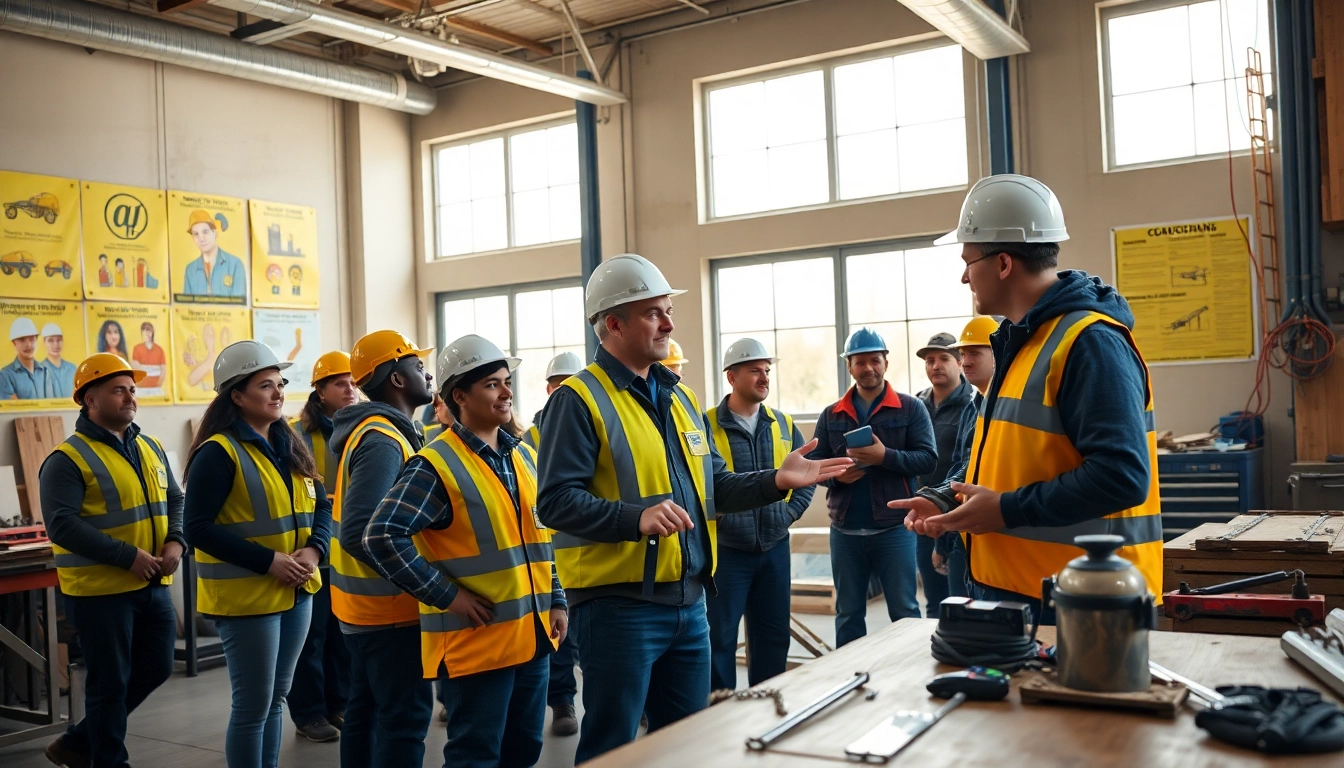

Introduction to Construction Site Safety Training
In the dynamic world of construction, safety is paramount. Workers encounter numerous risks on-site, and effective training is essential to minimize these threats. Construction site safety training equips employees with the skills and knowledge necessary to identify hazards, follow regulations, and promote a safer working environment.
Importance of Safety Training
Safety training serves as the foundation for a secure workplace. By understanding the risks associated with construction tasks, workers can take proactive steps to protect themselves and their colleagues. Moreover, well-implemented safety programs can drastically reduce the incidence of accidents, leading to fewer injuries and fatalities. A commitment to safety training not only enhances workforce morale but also contributes to overall project efficiency, as work can proceed without the interruptions caused by accidents.
Key Regulations to Follow
Construction sites are subject to a host of regulations designed to maintain safety. In the United States, the Occupational Safety and Health Administration (OSHA) sets forth guidelines that cover various aspects of construction activities. Adhering to these regulations is crucial, as negligence can lead to costly penalties and, more importantly, jeopardize worker safety. Training programs must incorporate these regulations, ensuring all employees are aware of their rights and responsibilities under the law.
Common Hazards in Construction Environments
Construction sites are fraught with potential hazards, including falls, electrical hazards, and equipment-related incidents. Identifying these common dangers is crucial for a successful safety program. Falls remain the leading cause of injuries in construction, often stemming from inadequate fall protection systems. Similarly, electrocutions can occur due to faulty wiring or improper use of equipment. Regular assessments of the work environment and training on how to mitigate these hazards are essential for protecting workers.
Components of an Effective Safety Training Program
Curriculum Development for Construction Site Safety Training
Building a comprehensive curriculum for construction site safety training involves various elements that cater to the specific needs of the workforce and the types of projects undertaken. It should comprise both theoretical knowledge and practical skills. Key topics often include hazard recognition, emergency procedures, and the correct use of personal protective equipment (PPE). Collaborating with safety experts and incorporating real-life case studies can enhance the relevance and impact of the training.
Engaging Training Methods
Traditional lecture-based training can lead to disengagement. To ensure effective learning, utilizing engaging methods such as interactive workshops, role-playing scenarios, and group discussions can be more effective. These methods not only capture the attention of participants but also encourage active participation, enhancing the retention of safety concepts. Mixing in-person sessions with online modules can also cater to different learning styles and schedules.
Utilizing Technology in Training
Technological advancements have revolutionized training methodologies. Virtual reality (VR) and augmented reality (AR) offer immersive training experiences that simulate real-life construction scenarios without the associated risks. Mobile applications can provide on-the-go access to safety resources, checklists, and alerts. Using these modern tools can significantly enhance workers’ understanding and application of safety protocols.
Best Practices for Conducting Safety Training
Scheduling and Frequency of Training Sessions
Regularly scheduled safety training is essential for maintaining a high level of awareness and compliance among construction workers. It’s advisable to conduct initial training upon hire and follow up with refresher courses quarterly. This frequency ensures that workers are updated on the latest safety practices and any changes in regulations or technologies.
Hands-On Safety Training Techniques
Hands-on training techniques are vital for effective learning. Simulating real-life situations allows workers to practice their skills in a controlled environment. For instance, conducting mock emergency drills equips workers to respond effectively in actual emergencies. Incorporating hands-on activities, such as operating machinery or using safety equipment, reinforces theoretical knowledge and builds confidence.
Assessing Training Effectiveness
To ensure the efficacy of safety training programs, ongoing assessment is crucial. This can be achieved through pre-and post-training evaluations to measure knowledge retention, practical skills assessments, and participant feedback. Additionally, observing worksite behavior and monitoring incident reports can provide insightful data on whether training is translating into safe work practices.
Building a Safety Culture on Construction Sites
Leadership’s Role in Safety Training
Leadership plays a critical role in fostering a safety culture within construction environments. Managers and supervisors must prioritize safety by demonstrating commitment and actively participating in safety training themselves. Regularly communicating the importance of safety and recognizing employees who contribute to a safer work environment can motivate others to uphold safety standards. Leadership’s visibility in safety-related initiatives shows workers that management values their well-being.
Encouraging Worker Participation
Encouraging workers to engage in safety discussions fosters a sense of ownership over their safety practices. Creating platforms for workers to voice their concerns or suggest improvements can enhance the safety program. Regular safety meetings and anonymous feedback channels are excellent methods for involving workers in safety initiatives. Workers who feel responsible for safety are likely to adhere more closely to safety protocols.
Ongoing Training and Refresher Courses
Continuous education is vital; safety training should not be viewed as a one-time requirement. Ongoing training and refresher courses should be part of the construction safety culture. These sessions help address knowledge gaps, incorporate new safety trends, and reinforce the importance of safety practices. Establishing periodic training opportunities keeps safety at the forefront of daily operations.
Evaluating and Improving Safety Training Programs
Monitoring Safety Performance Metrics
Monitoring safety performance metrics is critical for understanding the effectiveness of safety training. Key performance indicators (KPIs) such as incident rates, near misses, and employee feedback can provide valuable insights. Analyzing these metrics over time can help identify trends and areas for improvement within the safety program, allowing for timely adjustments.
Collecting Feedback for Program Enhancement
Collecting feedback from trainees helps in refining the safety training programs. Surveys and debriefing sessions post-training can reveal what aspects were effective and which need improvement. Listening to the workers who undergo the training can lead to necessary curriculum tweaks that enhance comprehension and engagement.
Adapting Training to Emerging Industry Trends
The construction industry is continually evolving, and safety training must adapt to keep pace with new technologies and techniques. This adaptability might involve incorporating new regulations, safety technologies, or advanced equipment into training modules. Offering updated training ensures that workers are prepared to handle the latest challenges while maintaining safety standards.
Frequently Asked Questions
What are the key elements of a construction site safety training program?
A robust program includes risk assessment, safety regulations, hands-on exercises, and continuous evaluation to ensure effectiveness.
How can technology enhance construction site safety training?
Technology can provide virtual simulations, interactive presentations, and mobile safety applications to facilitate learning and engagement.
What should be included in safety training evaluations?
Evaluations should assess knowledge retention, practical skill application, and feedback on training methods to improve future sessions.
How often should safety training be conducted on construction sites?
Safety training should be conducted regularly, ideally quarterly, with refresher courses to keep workers updated on best practices.
What is a common misconception about construction site safety training?
Many believe safety training is a one-time event, but it requires ongoing education and practice to effectively instill safety habits.