
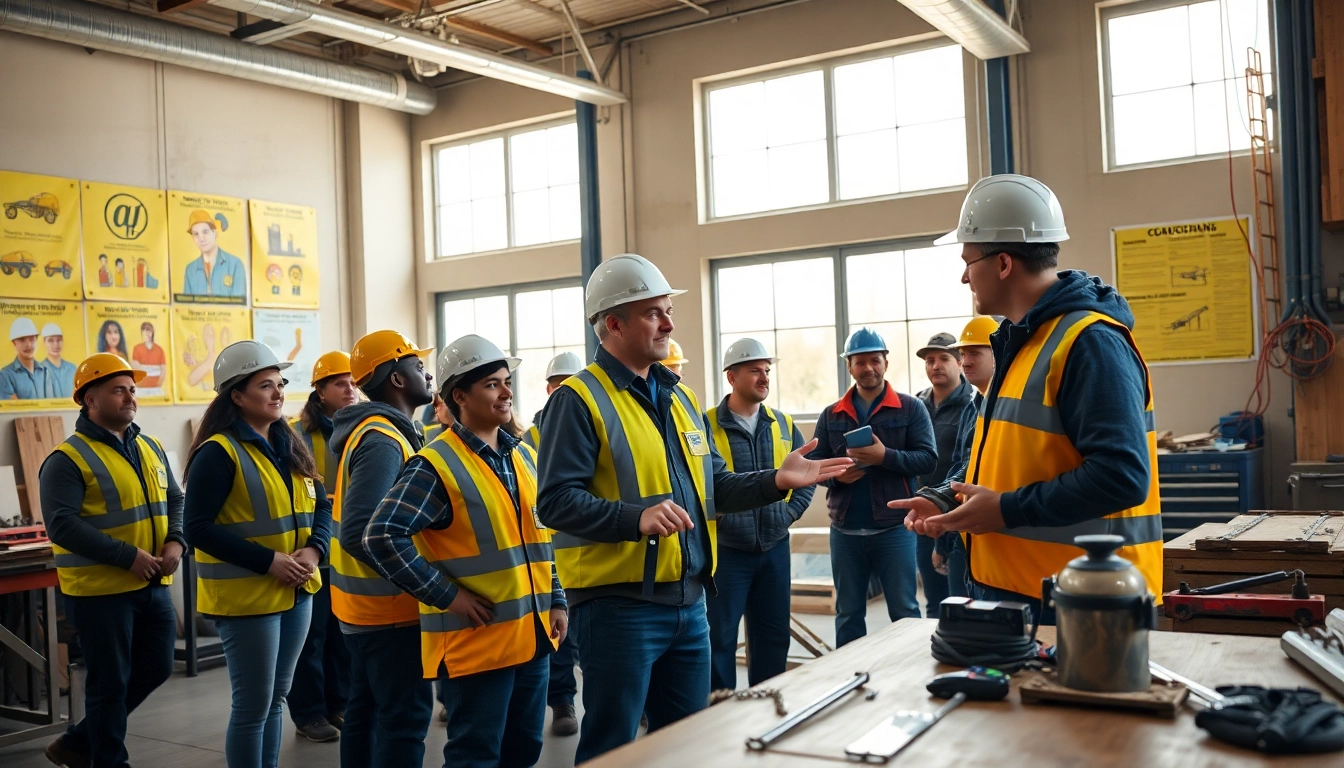
The Importance of Construction Safety Training
Construction safety training is a crucial aspect of the construction industry, ensuring that workers are prepared to handle various challenges safely. This specialized training not only enhances individual skills but also promotes a culture of safety within organizations. With high-risk environments, comprehensive construction safety training programs play a pivotal role in reducing accidents and injuries on job sites.
Understanding the Basics of Construction Safety
Understanding the basics of construction safety is the foundation of any successful safety training program. It involves recognizing potential hazards such as falls, electrocutions, and being struck by equipment. A robust grasp of these fundamentals can significantly reduce the likelihood of accidents. Workers need to be acquainted with the types of personal protective equipment (PPE), emergency procedures, and safe operating practices unique to their job roles. Moreover, fostering an awareness of both physical and psychological safety factors contributes to overall workplace well-being.
Benefits of Investing in Safety Training
Investing in safety training yields multiple benefits for construction companies and their employees. Firstly, it enhances worker confidence and morale, leading to higher productivity levels. When employees feel safe, they are more likely to focus on their tasks rather than worry about potential risks. Furthermore, companies that prioritize safety training often see a reduction in insurance costs due to fewer claims. The positive reputation built around a commitment to safety can also attract better talent and clients, further solidifying a company’s market position.
Compliance and Legal Requirements in Construction
Adhering to compliance and legal requirements is non-negotiable in the construction industry. Various regulations set forth by governmental agencies mandate that construction sites provide adequate safety training. Failure to comply can result in hefty fines, legal action, and even project delays. Understanding these compliance requirements ensures that companies not only protect their workers but also safeguard their business interests. Regular audits and consultations with safety professionals can help maintain compliance and improve training effectiveness.
Key Components of Effective Training Programs
Identifying Hazards and Risk Assessment
Effective construction safety training begins with a thorough identification of hazards and risk assessment. Workers should learn how to recognize potential dangers on-site, including environmental factors, equipment use, and worksite layout. Regular safety audits and risk assessments should be conducted to continually evaluate new hazards as they arise. Involving workers in the hazard identification process can also enhance their understanding and commitment to safety protocols.
Choosing the Right Training Methods
Selecting the appropriate training methods is essential for maximizing engagement and knowledge retention. Various training modalities such as hands-on demonstrations, e-learning, and simulations cater to different learning styles. Blending these methods can create a more interactive learning experience, accommodating visual, auditory, and kinesthetic learners. Moreover, using real-world scenarios and case studies can make the material more relevant and relatable for participants.
Creating an Engaging Learning Environment
Creating an engaging learning environment is vital for effective construction safety training. This involves not only the physical space but also the psychological atmosphere. Instructors should foster open communication, encouraging questions and discussions. Utilizing group activities, role-playing scenarios, and team-building exercises can enhance camaraderie and attentiveness among participants. An engaging environment boosts motivation and helps in the assimilation of crucial safety concepts.
Developing a Training Curriculum
Essential Topics for Construction Safety Training
A comprehensive training curriculum should cover essential topics relevant to construction safety. This includes the proper use and maintenance of PPE, emergency response protocols, and specific safety measures related to tools and machinery. Other critical areas include first aid training and understanding chemical safety protocols. Staying updated with industry standards and advancements will ensure that training remains relevant and effective, addressing current and emerging safety challenges.
Incorporating Interactive Learning Techniques
Incorporating interactive learning techniques into training programs enhances engagement and retention. Techniques such as hands-on practice, quizzes, and group discussions allow participants to actively contribute to their learning process. Gamification of training modules can also spark enthusiasm, rewarding participants for their achievements and encouraging a more active learning experience.
Assessing Knowledge and Skills Post-Training
Assessing knowledge and skills after training is crucial for gauging its effectiveness. Implementing practical tests, written assessments, and observational evaluations can provide insights into participant understanding and application of safety protocols. Regular assessments enable identification of areas needing more focus or adjustments in training methods. Continuous evaluation ensures that learners retain the information over time and can implement safety practices on the job.
Implementing Training in the Workplace
Scheduling and Logistics for Training Sessions
Proper scheduling and logistics are vital for seamless training implementation. Training sessions should ideally be planned during off-peak hours to minimize disruptions to productivity. Ensuring that all participants are available and have the necessary resources available is essential to maximize attendance and engagement. Prioritizing a comfortable and productive training environment also enhances participant focus and retention.
Working with External Trainers vs. In-House Solutions
Deciding between external trainers and in-house solutions involves weighing various factors. External trainers often bring diverse experience and up-to-date knowledge about safety trends, which can enhance training effectiveness. On the other hand, in-house trainers have intimate knowledge of company policies and specific challenges faced within the organization. A hybrid approach may yield the best results, combining the strengths of both external expertise and internal familiarity.
Monitoring Continued Safety Compliance
After initial training, monitoring continued safety compliance is crucial for maintaining a safe work environment. Regular safety audits, check-ins, and refresher courses can reinforce concepts learned during initial training. Open lines of communication allow workers to report hazards or raise concerns promptly. Implementing a culture of accountability where employees are responsible for their own safety as well as their peers fosters a proactive approach toward compliance.
Measuring the Impact of Training
Establishing Performance Metrics for Safety
Establishing performance metrics for safety enables organizations to evaluate the effectiveness of their training programs. Metrics could include the number of reported incidents, frequency of safety audits, and employee feedback on training perceived effectiveness. Analyzing these metrics regularly provides insights into areas needing improvement and informs future training strategies and discussions with stakeholders.
Gathering Feedback from Participants
Gathering feedback from participants is an integral part of refining training programs. Utilizing surveys, informal discussions, or follow-up assessments can help understand participants’ perspectives on the training. Feedback provides insights into the clarity of training materials, the pace of instruction, and the overall engagement level experienced during the training sessions. Such insights are invaluable in continuously enhancing program quality.
Adjusting Training Strategies Based on Outcomes
Adjusting training strategies based on outcomes should be a dynamic and ongoing process. Regularly reviewing performance data and participant feedback allows organizations to identify trends and opportunities for improvement. Adapting training content, methodology, and delivery based on these findings ensures that training remains relevant, effective, and aligned with evolving workplace needs.
FAQs
What is construction safety training?
Construction safety training is an educational program aimed at teaching workers how to identify and mitigate workplace hazards, ensuring a safer working environment.
Why is safety training important in construction?
Safety training is vital as it helps prevent accidents, reduces injuries, and encourages a safety-first culture within the workforce, ultimately improving overall productivity.
What are common topics covered in safety training?
Common topics include PPE usage, fall protection, tool safety, first aid, emergency response procedures, and specific safety regulations relevant to construction sites.
How often should safety training be conducted?
Safety training should be conducted regularly, ideally at least once a year, or more frequently if new risks or technologies are introduced on-site.
What are the benefits of interactive training?
Interactive training enhances engagement and understanding, making it easier for workers to retain crucial safety information and apply it effectively in real-world situations.