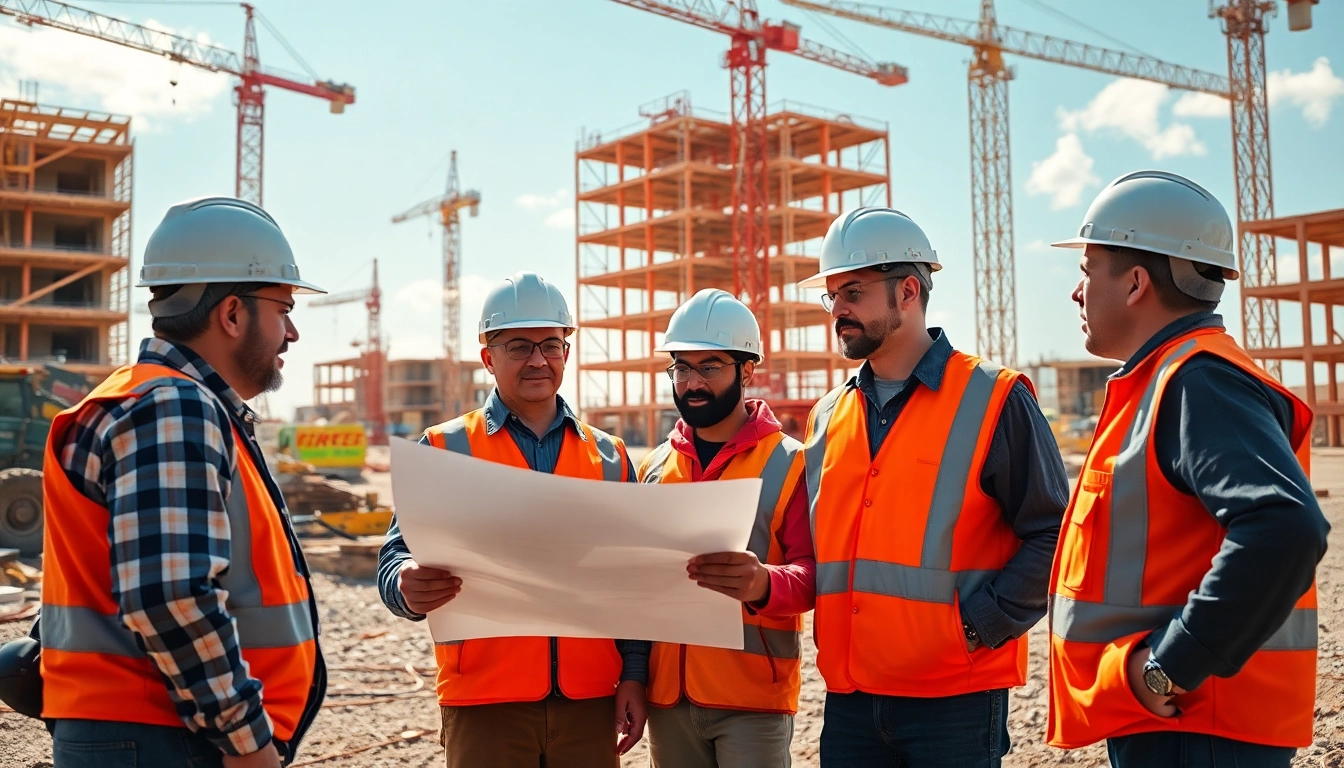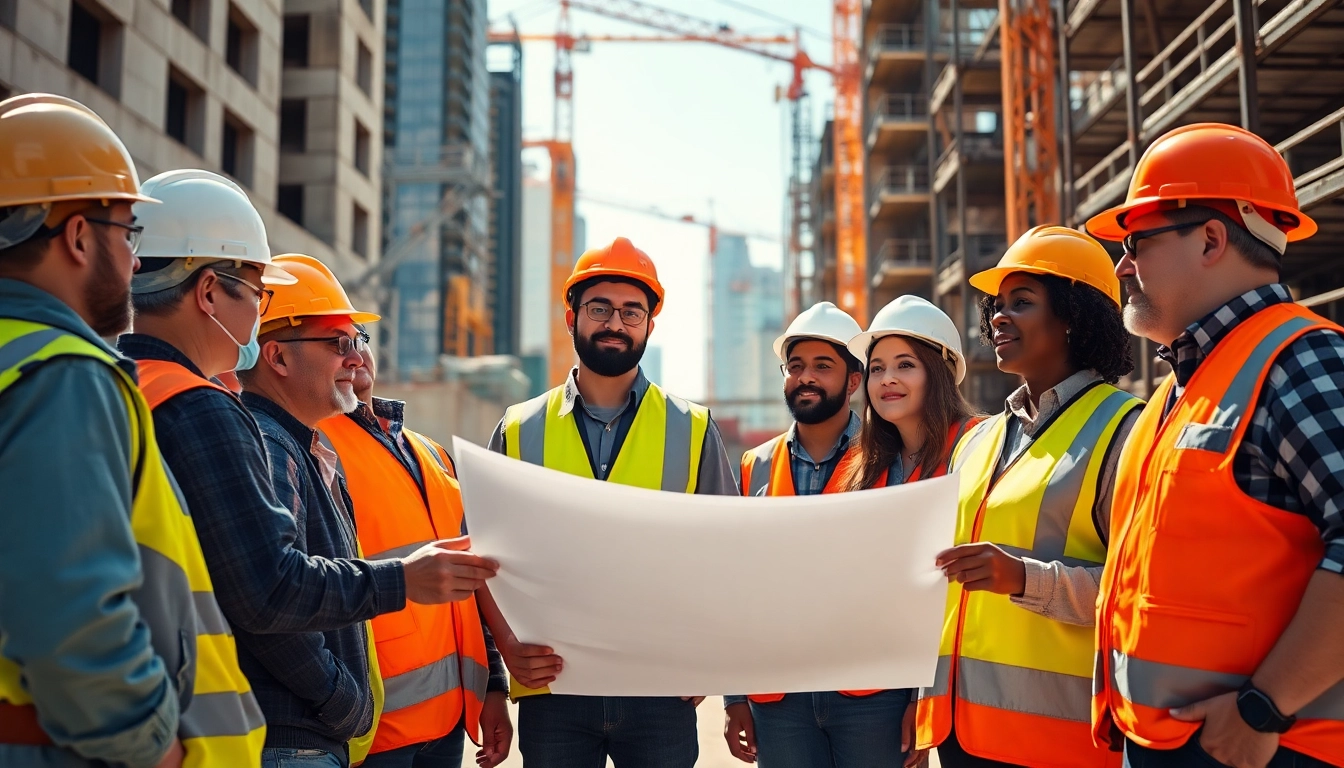

Understanding the Importance of Construction Safety Training
In the high-risk environment of construction, construction safety training plays a crucial role in protecting workers from accidents and injuries. The inherent hazards of the construction industry necessitate robust safety protocols, making safety training not just beneficial, but essential. Understanding the importance of this training is the first step to creating a safer work environment.
Why Safety Training Matters in Construction
Construction sites are fraught with risks, including falls, equipment-related injuries, and exposure to hazardous materials. Safety training equips workers with the knowledge to identify hazards, implement preventive measures, and respond effectively in emergencies. According to the Occupational Safety and Health Administration (OSHA), effective training can lead to a significant reduction in workplace accidents. It is essential for instilling a safety-first mindset and fostering a culture of safety within the organization.
Key Regulations Governing Safety Training
Numerous regulations guide the implementation of safety training in construction. OSHA outlines standards that require education on various safety topics, such as fall protection, scaffolding safety, and hazardous material handling. Employers must comply with these regulations to avoid penalties and protect their workforce. Additionally, many states have their own safety regulations that may impose stricter requirements than federal guidelines. These regulations mandate that employers provide training to all workers, ensuring they know how to conduct themselves safely on the job site.
The Costs of Neglecting Safety
Neglecting safety training can have dire financial implications for construction companies. The costs associated with workplace accidents—medical expenses, lost productivity, and legal fees—can quickly accumulate and severely impact the bottom line. Furthermore, failing to provide adequate safety education can result in reputational damage, loss of contracts, and increased insurance premiums. Investing in construction safety training is not merely a regulatory obligation; it is a strategic business decision that can enhance operational efficiency and employee morale.
Components of an Effective Construction Safety Training Program
To be effective, a construction safety training program should incorporate various components that address the diverse needs of workers. Here are key elements to consider:
Essential Topics to Cover in Training
When developing a safety training program, it is critical to include essential safety topics. These may encompass:
- Hazard identification and risk assessment
- Use of personal protective equipment (PPE)
- Fire safety and emergency procedures
- Equipment operation and safety protocols
- Workplace ergonomics to prevent musculoskeletal disorders
- Understanding job site signage and signals
By covering these topics, workers can gain comprehensive knowledge that equips them to navigate construction sites safely.
Methods for Delivering Safety Training
Safety training can be delivered through various methods to cater to different learning styles. Common approaches include:
- Classroom instruction, where instructors teach safety topics in a traditional setting
- Hands-on training that allows workers to practice skills in a controlled environment
- Online modules that offer flexibility and accessibility for learners
- On-the-job training that provides real-time instruction and feedback
Employing a blended approach can enhance engagement and retention, catering to the diverse preferences of a workforce.
Utilizing Technology in Safety Training
Technology has significantly transformed safety training in construction. Virtual Reality (VR) and Augmented Reality (AR) offer immersive training experiences that simulate real-life scenarios without the associated risks. E-learning platforms provide cost-effective and scalable training solutions. Additionally, mobile applications can be used for quick access to safety resources, checklists, and reminders, ensuring workers have the information they need at their fingertips.
Best Practices for Conducting Construction Safety Training
Conducting safety training effectively is essential for achieving the desired outcomes. Here are some best practices to ensure that your training is impactful:
Engaging Participants in Safety Discussions
Engagement is crucial for successful training sessions. It is essential to create an interactive environment where participants feel comfortable sharing their experiences and insights. Utilizing group discussions, role-play scenarios, and problem-solving exercises can foster collaboration and critical thinking. Incentivizing participation through rewards or recognition can also motivate workers to be more involved.
Evaluating Training Effectiveness
To gauge the success of a training program, it is vital to implement evaluation methods. This may involve pre- and post-training assessments to measure knowledge acquisition. Surveys and feedback forms can also provide insights into participants’ perceptions of the training’s relevance and effectiveness. Regular audits and monitoring can help maintain training quality and identify areas for improvement.
Adapting Training for Diverse Workforce
Construction sites often comprise a diverse workforce with varying levels of experience and educational backgrounds. It is essential to tailor training content and delivery methods to accommodate this diversity. Offering materials in multiple languages, utilizing visual aids for those with limited literacy, and providing mentorship opportunities for less experienced workers can ensure that all employees benefit from the training.
Common Challenges in Construction Safety Training
While implementing safety training is critical, it is not without its challenges. Addressing common obstacles is necessary for program success.
Overcoming Resistance to Safety Protocols
Resistance to safety protocols can stem from a lack of understanding or perceived inconvenience. To combat this, it’s essential to communicate the importance of safety effectively. Involving workers in the development and implementation of safety protocols can foster a sense of ownership and accountability, thus reducing resistance.
Addressing Language Barriers
In a diverse work environment, language barriers can hinder effective training. Using multilingual materials, hiring bilingual instructors, or utilizing translation services can ensure that all workers comprehend the safety training content. Visual aids, demonstrations, and hands-on experiences can also transcend language limitations.
Maintaining Ongoing Safety Education
Construction safety is not a one-time event; it requires ongoing education and reinforcement. Regular safety meetings, refresher courses, and updates on regulations and best practices can help keep safety at the forefront of workers’ minds. Creating a culture of continuous learning encourages employees to prioritize safety in their daily tasks.
Evaluating the Impact of Construction Safety Training
Assessing the impact of safety training is essential for continuous improvement. Establishing metrics related to safety outcomes, participant feedback, and compliance with training programs can provide valuable insights into training effectiveness.
Measuring Safety Outcomes After Training
To assess the effectiveness of training, organizations should track safety metrics such as accident rates, near misses, and employee absenteeism. Comparing these metrics before and after training can reveal areas of improvement and determine the return on investment in training initiatives.
Collecting Feedback from Participants
Gathering feedback from participants immediately after training can provide insights into its effectiveness and relevance. Utilizing anonymous surveys encourages honest responses, while follow-up interviews can offer more in-depth perspectives. Implementing suggested improvements demonstrates that the organization values employee input and is committed to enhancing training programs.
Continuous Improvement in Safety Training Programs
It is vital to adopt a philosophy of continuous improvement within safety training programs. Regularly updating training materials to reflect the latest regulations, technological advancements, and industry trends keeps the program relevant. Engaging with industry experts to assess training content and delivery methods can also lead to enhanced outcomes.
Frequently Asked Questions
What is construction safety training?
Construction safety training educates workers about safety protocols, hazards, and emergency procedures to prevent accidents and injuries on the job site.
Why is safety training critical in construction?
Safety training is crucial in construction to reduce workplace accidents, ensure compliance with regulations, and create a culture of safety among workers.
How often should safety training be conducted?
Safety training should be conducted regularly, ideally during onboarding for new employees, followed by refresher courses and updates as needed.
What topics should be included in safety training?
Essential topics include hazard recognition, proper use of PPE, emergency procedures, equipment safety, and accident reporting protocols.
How can technology enhance safety training?
Technology can enhance training through virtual simulations, e-learning platforms, and mobile applications that provide resources and reminders for safety practices.