
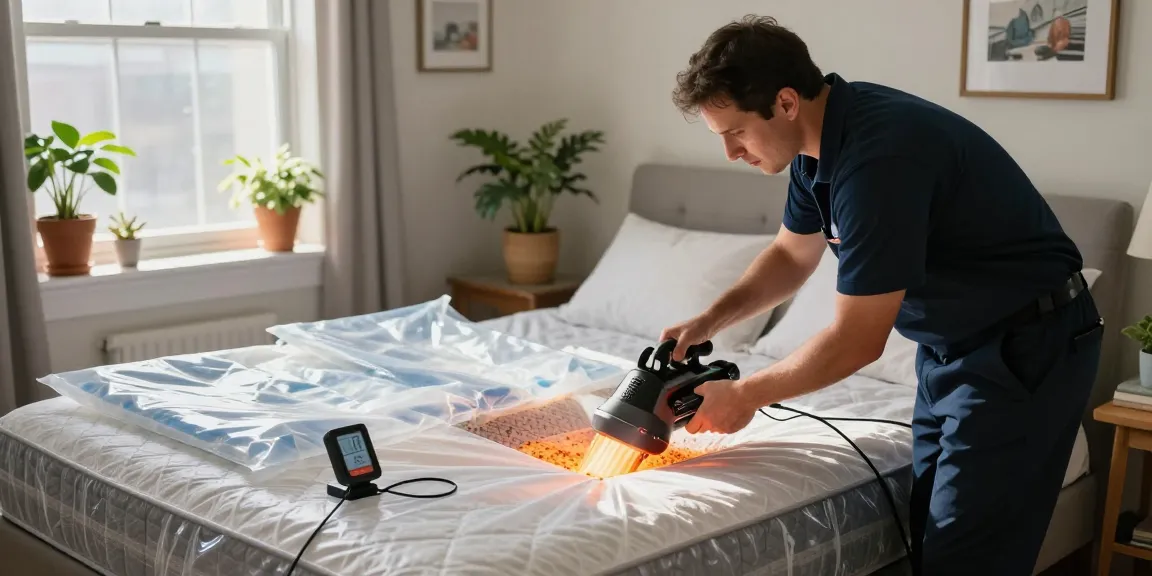
The Science Behind Bed Bug Heat Treatment
Bed bugs are an increasingly common problem in residential and commercial properties, often leading to stress and disruption in daily life. Understanding how to effectively combat these pests is crucial for homeowners and businesses alike. One of the most effective methods available today is bed bug heat treatment, which employs the principles of thermal eradication to eliminate infestations. In this article, we will explore the biological underpinnings of bed bugs, the mechanics of heat treatment, and the unique advantages it offers over traditional chemical methods.
Understanding Bed Bug Biology
Bed bugs, scientifically known as Cimex lectularius, are small, elusive insects that primarily feed on human blood. Adult bed bugs are approximately 5-7 millimeters in length and range from brown to reddish-brown in color. They are known for their remarkable resilience and adaptability, making them challenging pests to eradicate. Factors like their ability to reproduce rapidly—females can lay up to 500 eggs in their lifetime—and their resistance to certain pesticides underscore the importance of effective treatment strategies.
Understanding bed bug biology is essential in addressing infestations. These insects usually hide in small, dark crevices and are typically most active at night, which complicates detection. Their capacity to survive without food for several months adds another layer of difficulty to eradication efforts. This resilience is why innovative treatment solutions, such as heat treatment, have gained traction in pest control methodologies.
How Heat Treatment Works
Heat treatment involves raising the temperature of the infested area to a level that is lethal to bed bugs—typically between 120°F and 140°F (49°C to 60°C). The process involves specialized heating equipment designed to distribute heat evenly throughout the space, ensuring that all bed bug habitats, including those in furniture and wall cavities, reach the necessary temperature for an adequate period.
The effectiveness of heat treatment lies in its ability to kill all life stages of bed bugs—from eggs to adult insects—in a single application. Unlike traditional chemical treatments, which may require multiple applications and can leave behind residues, heat treatment is a one-time solution that provides immediate results. It is also considered an eco-friendly option, as it doesn’t rely on synthetic chemicals that can pose risks to the environment and human health.
Advantages Over Chemical Treatments
- Comprehensive Elimination: Heat treatment eradicates all bed bug life stages, including eggs, ensuring a more complete solution.
- Localized Treatment: It reaches hidden areas where bed bugs often reside, such as inside walls, behind baseboards, and within furniture.
- Reduced Risk of Re-infestation: With thorough heat exposure, the likelihood of surviving bugs is virtually eliminated, which minimizes potential future infestations.
- Safety: Heat treatments use no harmful chemicals, making them safer for families and pets.
- Speed: The entire process can often be completed in a day, allowing for rapid relief from infestations.
Cost and Affordability of Bed Bug Heat Treatment
The cost of bed bug treatments can vary significantly based on several factors, including the degree of infestation, the size of the area being treated, and the specific methods employed. Heat treatment is generally seen as a cost-effective solution when weighed against the potential damages and health issues associated with untreated infestations. Understanding the pricing structure can assist homeowners in budgeting for this necessary service.
Pricing Structure Explained
While the initial cost of heat treatment may be higher than chemical methods, it is essential to consider the long-term value. The pricing for heat treatment typically includes an assessment fee, treatment fee based on square footage, and follow-up inspections. Many pest control companies offer packages that provide comprehensive services, which can further enhance value.
Comparing Costs with Other Methods
In comparison to chemical treatments, which may require multiple visits and products over time, heat treatment is typically more economical in the long run. Homeowners often find that paying a bit more upfront for heat treatment saves them money on future pest control bills, furniture damages, and potential health-related expenses from bites and allergic reactions associated with bed bugs.
Value for Money: What to Expect
Choosing heat treatment not only provides an immediate solution but also offers reassurance through its effectiveness. Homeowners can expect a thorough assessment and execution process, along with post-treatment monitoring to ensure that the problem has been comprehensively resolved. Many pest control services also include guarantees, further solidifying the value of their services.
Preparing Your Home for Bed Bug Heat Treatment
Preparation is crucial for the success of heat treatment. Homeowners must take specific steps before the treatment day to maximize effectiveness and ensure a smooth process. Adequate preparation minimizes the risk of damage and ensures every corner of the affected area receives the necessary heat exposure.
What to Do Before Treatment Day
Prior to treatment, homeowners should declutter the infested areas, wash bedding and clothing in hot water, and remove items that may obstruct heat distribution, such as electronics and plants. Following the specific guidance of the pest control company will significantly enhance the efficacy of the heat treatment.
Common Mistakes Homeowners Make
One of the most common pitfalls is underestimating the importance of preparation. Failing to remove or adequately prepare belongings can hinder treatment effectiveness. Additionally, neglecting to follow the service provider’s instructions can result in lingering infestations, thwarting the intended results of the heat treatment.
Post-Treatment Care and Monitoring
After heat treatment, homeowners should continue monitoring for signs of bed bugs and maintain cleanliness to ensure that any potential reinfestation is caught early. Following up with regular inspections, especially in high-risk areas, will help maintain a bed-bug-free environment.
Real-World Success Stories of Heat Treatment
Heat treatment has transformed the lives of many families and businesses dealing with bed bug infestations. Success stories from satisfied clients provide real-world examples of how effective this method can be in resolving bed bug issues.
Case Study: A Family’s Experience in Milwaukee
One family in Milwaukee faced a severe bed bug infestation that disrupted their daily life. After opting for heat treatment, they reported a significant drop in activity within hours. A follow-up inspection confirmed total eradication, allowing the family to reclaim their home safely and comfortably.
Challenges and Solutions from Real Treatments
Many clients have encountered challenges during the treatment process, including accessing hard-to-reach areas infested with bed bugs. Experienced pest control teams anticipate these situations and develop tailored strategies to ensure even the most stubborn infestations are addressed effectively.
Customer Testimonials: Satisfaction Guaranteed
Numerous testimonials highlight the effectiveness and customer service associated with heat treatment. Clients often express gratitude for the prompt response, professionalism, and the peace of mind achieved once the bed bug problem was resolved. These endorsements underscore the reliability of heat treatment as a viable pest control solution.
Future Trends in Pest Control: What to Anticipate for 2026
The pest control industry is continuously evolving, driven by innovations in technology and changing consumer needs. As we look towards 2026, several trends are emerging that may change how we address bed bug infestations.
Innovations in Bed Bug Extermination Techniques
Advancements in thermal technology and new pest control methods are poised to enhance heat treatment effectiveness. These innovations may include improved heat delivery systems that can penetrate even deeper into materials, ensuring thorough elimination of bed bugs in all their hiding spots.
Regulatory Changes Impacting Treatments
As public awareness of chemical safety grows, regulatory changes may lead to stricter guidelines concerning pesticide use. The industry is likely to see an increase in demand for non-chemical solutions, supporting the continued rise of heat treatments as a preferred pest control method.
Preparing for Increased Infestation Risk
With the resurgence of bed bugs in urban areas, particularly in multi-unit dwellings, it is vital for homeowners and businesses to remain vigilant. Anticipating potential outbreaks and employing preventative measures, including regular inspections and necessary treatments, will be critical in safeguarding against infestations.
What types of pests can heat treatment eliminate?
While primarily effective against bed bugs, heat treatment can also eliminate other pests such as dust mites and certain types of fleas. This multi-faceted approach makes heat treatment a versatile choice for pest control.
How long does heat treatment take to be effective?
Typically, heat treatment results can be observed within a few hours as temperatures rise to lethal levels for bed bugs. However, full efficacy is often confirmed during follow-up inspections conducted by pest control professionals.
Is bed bug heat treatment safe for children and pets?
Yes, heat treatment is a safe option for households with children and pets. Since it relies on heat rather than chemicals, it allows families to return to their normal routines sooner without the concern of harmful residuals.
Can I perform heat treatment myself?
While there are DIY heat treatment solutions, professional services are recommended for effective and safe execution. Pest control experts use specialized equipment and techniques that ensure thorough coverage and effective eradication of all bed bug life stages.
What follow-up services do you offer after treatment?
Most pest control services include follow-up inspections as part of their heat treatment packages, allowing for assessments to confirm the absence of bed bugs and addressing any potential reinfestations promptly.