The Allure of the Sandakphu Trek
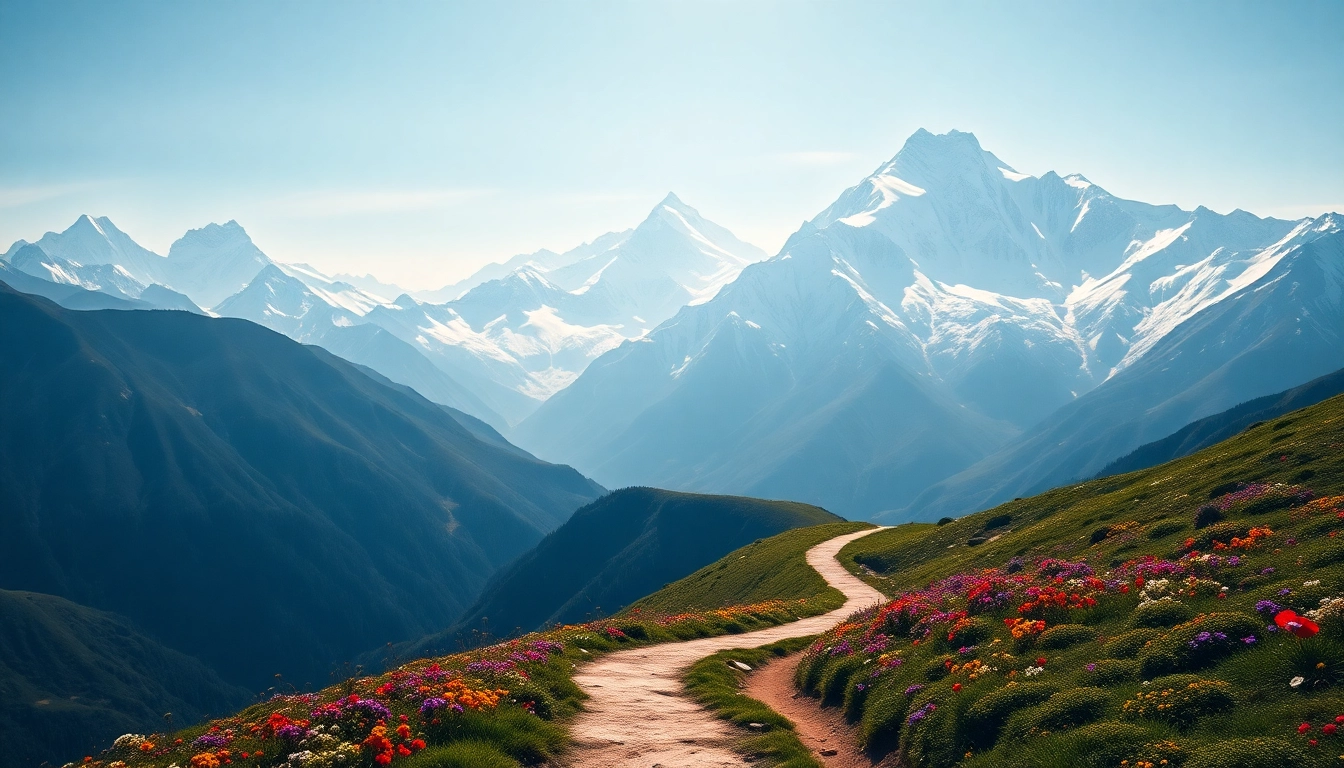
Nestled in the heart of the Himalayas and straddling the India-Nepal border, the sandakphu trek beckons trekkers with its breathtaking views and the promise of adventure. This trek is renowned not just for its challenging trails, but also for the opportunity it presents to witness four of the world’s tallest peaks: Mount Everest, Kangchenjunga, Lhotse, and Makalu. With elevations soaring over 12,000 feet, the trek offers an unparalleled experience that combines natural beauty, cultural richness, and an adrenaline rush that is hard to match.
Visiting Iconic Peaks on the Sandakphu Trek
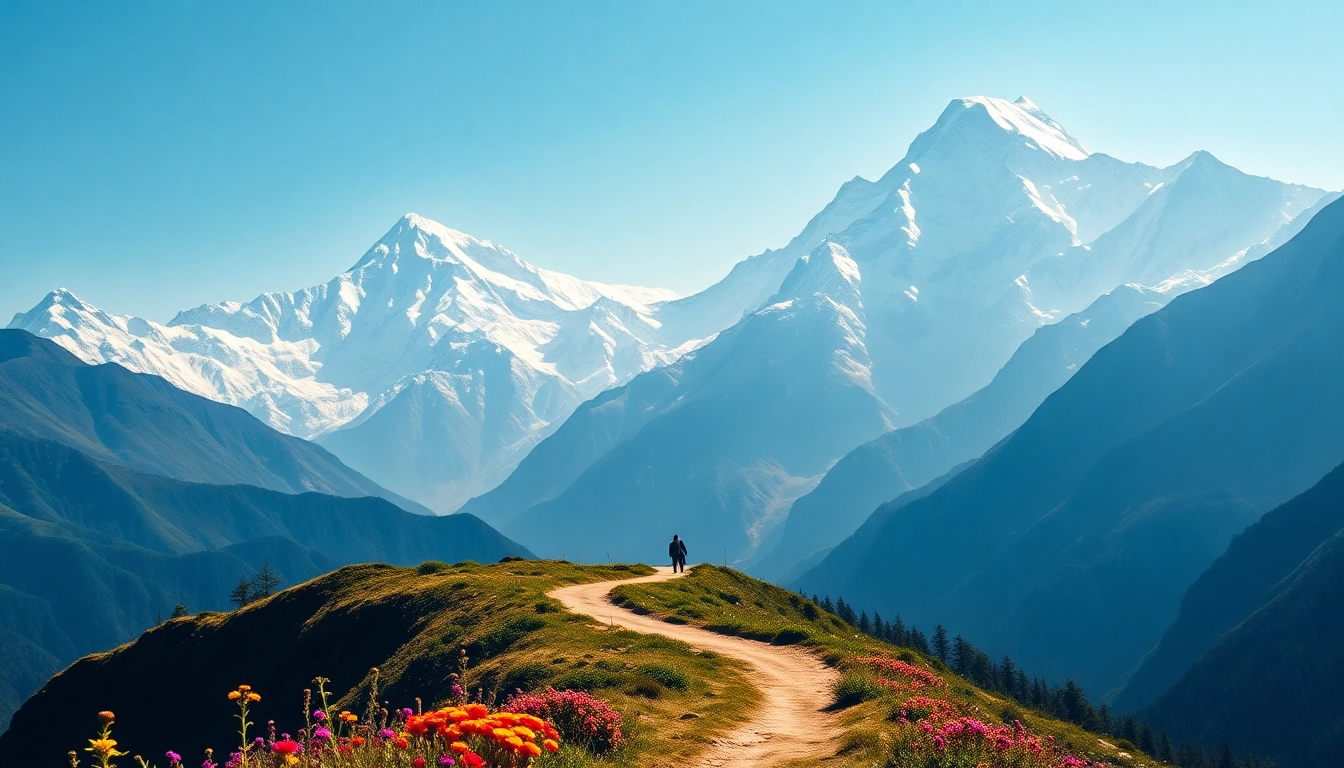
One of the main attractions of the Sandakphu trek is, undoubtedly, its breathtaking vistas of iconic Himalayan peaks. Standing at Sandakphu, trekkers are rewarded with panoramic views that stretch across the horizons, allowing glimpses of some of the highest mountains on Earth, including the formidable Mount Everest in the distance. The changing play of light over these majestic mountains adds drama to the landscape, making sunrise a particularly magical moment for those who wake up early enough to witness it. Each day on the trek presents different perspectives and angles of these colossal giants, creating an ever-changing backdrop that inspires photographers and nature enthusiasts alike.
Why Choose the Sandakphu Trek?
Aside from the stunning mountain views, the Sandakphu trek is accessible to a wider range of trekkers, making it an ideal choice for both beginners and experienced hikers. The well-defined pathways and moderate terrain present fewer obstacles compared to other treks in the region, allowing you to appreciate the natural beauty without overly taxing your fitness levels. The trek also weaves through quaint villages inhabited by the vibrant Sherpa community, providing a cultural insight that enriches your trekking experience.
What Makes the Sandakphu Trek Special?
The Sandakphu trek holds a special allure for many reasons. Its unique location means you are traversing a landscape where cultures intertwine, where the traditions of the Sherpas and the serene beauty of the Himalayas combine to create an enriching experience. Additionally, the region’s biodiversity is remarkable. From rhododendron forests to rare medicinal plants and charming wildlife, the area teems with life. The trek immerses you in the soothing sounds of nature and offers the chance to spot rare bird species or even glimpse elusive red pandas in their natural habitat.
Preparing for Your Sandakphu Trek
Before embarking on the Sandakphu trek, careful preparation is essential. This ensures you’ll have the most enjoyable and safe experience possible. Start by gaining a solid understanding of the trek’s requirements and challenges, and take the time to assemble the right equipment and knowledge.
Essential Gear for the Sandakphu Trek
When preparing for the Sandakphu trek, ensure you have suitable gear. This includes:
- Footwear: Invest in sturdy and comfortable trekking shoes with good ankle support. Waterproof shoes are preferred, especially during the rainy season.
- Clothing: Dress in layers to adapt to the fluctuating temperatures. Thermal base layers, a warm fleece, and a weatherproof jacket are advisable.
- Backpack: A durable daypack to carry essential items such as water, snacks, and first-aid supplies.
- Accessories: Don’t forget trekking poles for balance, a sunhat, sunglasses, sunscreen, and a headlamp for nighttime use.
Fitness Guidelines for the Sandakphu Trek
To fully enjoy the Sandakphu trek, a reasonable level of physical fitness is important. Engage in cardiovascular workouts such as running or cycling, and incorporate long walks or hikes to build stamina. Eastward elevation gain is considerable, so dedicate time to training at higher altitudes if possible, as acclimatization to elevation will significantly enhance your trekking experience.
Best Practices for Trekking in the Himalayas
When trekking in the Himalayas, several best practices can enhance your journey:
- Stay Hydrated: Drink plenty of water to avoid altitude sickness, and carry a portable filter or purification tablets.
- Respect Local Customs: Embrace local cultures and practices while trekking, ensuring interactions are respectful and considerate.
- Pack Wisely: Only carry what you need; a lighter pack eases the physical burden.
- Follow the Trail: Always stick to marked paths to preserve the natural environment and ensure your safety.
Sandakphu Trek Itinerary
A well-structured itinerary can greatly enhance your experience of the Sandakphu trek. Below is a typical day-by-day breakdown that can be tailored to your preferences.
Day-by-Day Breakdown of the Sandakphu Trek
The Sandakphu trek usually spans about six days, with daily distances ranging from 10 to 15 kilometers. Here’s a common format for the trek:
- Day 1: Drive to Manebhanjan and begin the trek to Chitray. Ascend through lush forests, reaching Chitray in the evening.
- Day 2: Trek to Tumling, an engaging trail passing through verdant alpine scenery and Sherpa villages.
- Day 3: Move from Tumling to Kalipokhri, where a tranquil lake lies, surrounded by dense forests. This is a favorite resting spot.
- Day 4: Reach Sandakphu, where the majestic Himalayan vistas await. Enjoy the sunset views and a chance to spot the peaks at dusk.
- Day 5: Trek to Phalut through meadows and forests, experiencing stunning landscapes along the way.
- Day 6: Descend back to Rimbik, completing your trek with numerous memories and stunning photographs.
Highlighting Cultural Experiences on the Sandakphu Trek
Part of what makes the Sandakphu trek so special is the rich tapestry of cultures you encounter along the way. The folklore and traditions of the Sherpa people, their vibrant attire, and their hospitality add depth to the experience. Engage in conversations with locals, try traditional foods, and perhaps participate in local festivals if your trek coincides with any. These experiences create lasting memories that extend beyond the trek itself.
Local Flora and Fauna Encountered on the Sandakphu Trek
The Sandakphu trek is not only a feast for the eyes but also a haven for biodiversity enthusiasts. The region is home to numerous species of plants and animals, including the elusive red panda, various species of pheasants, and a range of medicinal plants indigenous to the Himalayas. The seasonal blooms of rhododendrons in spring are particularly spectacular, transforming the landscape into a riot of colors. Birdwatching here can be an exhilarating experience for ornithologists and casual bird lovers alike.
Sandakphu Trek Challenges and Safety
As with any trekking adventure, the Sandakphu trek presents its own set of challenges. Awareness and preparation can go a long way towards alleviating potential difficulties.
Addressing Common Difficulties on the Sandakphu Trek
Common difficulties trekkers may face include physical exhaustion and altitude sickness. It’s crucial to listen to your body and not push beyond your limits. Acclimatization, hydration, and a gradual pace can help mitigate these issues. Always be prepared for variable weather conditions, as they can change rapidly.
Weather Considerations for the Sandakphu Trek
The best time to undertake the Sandakphu trek is typically between April to November. However, be aware that weather conditions can vary significantly. Monsoons can cause heavy rainfall and landslides, while the winters can bring snow, making trekking considerably more challenging. Always check the weather updates and plan your trek accordingly to ensure a safer journey.
Emergency Protocols During the Sandakphu Trek
In case of emergencies, it’s essential to know the nearest villages and paths to medical help. Always travel with a first-aid kit and specialized gear, including any necessary altitude sickness medication. It can also help to travel with a knowledgeable guide who is familiar with the terrain and emergency protocols.
Frequently Asked Questions about the Sandakphu Trek
Is the Sandakphu trek difficult?
The Sandakphu trek is generally rated as moderate. Although it can be demanding, it is accessible for most trekkers in good physical condition.
What is the best time for the Sandakphu trek?
The best months for this trek are typically March, April, September, October, and November, coinciding with ideal weather conditions for trekking.
Can beginners attempt the Sandakphu trek?
Yes, the Sandakphu trek is suitable for beginners in good shape. It provides a manageable trail that promotes gradually building your trekking skills.
Can I see Mount Everest from Sandakphu?
Yes, from Sandakphu, you can view four of the world’s tallest mountains, including Mount Everest and Kangchenjunga, offering incredible photographic opportunities.
What is the average cost of the Sandakphu trek?
The cost can vary widely, depending on factors like guided tours, accommodation, and transportation. Generally, the budget can range from moderate to high, based on preferences.