Understanding the Abaya: History and Cultural Significance
The Abaya is more than just a piece of clothing; it represents a rich tapestry of history, culture, and identity for many women around the world, especially in the Middle East. This elegant garment, typically associated with modesty, has transcended its traditional roots to become a symbol of contemporary fashion and personal expression. As we delve into the history and cultural significance of the Abaya, it’s vital to appreciate how this garment has evolved over time and how it continues to adapt to modern trends while retaining its core values.
What Is an Abaya?
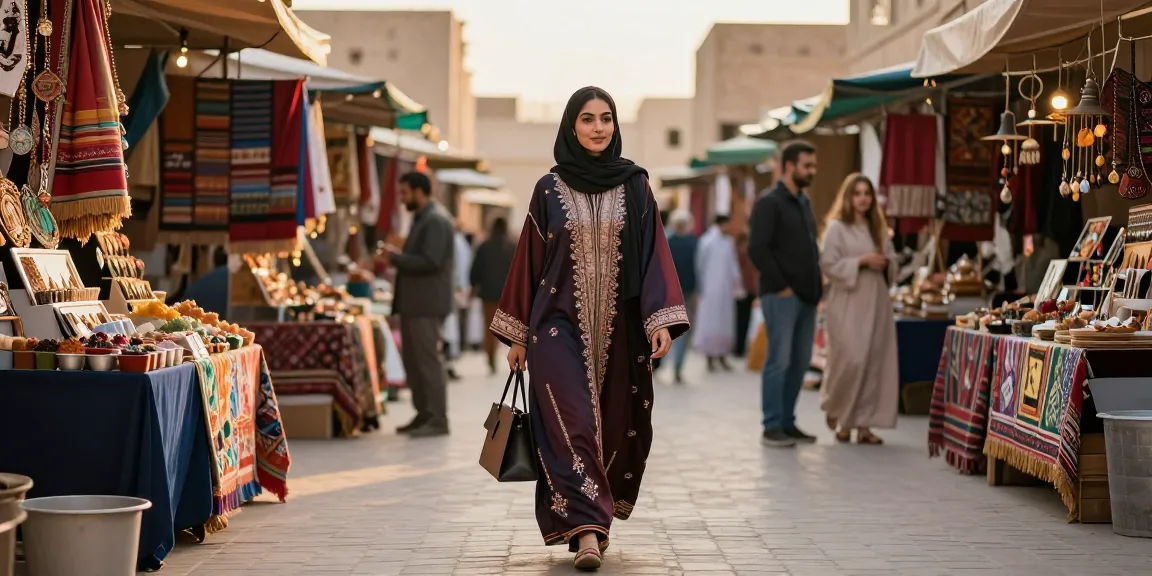
An Abaya is a loose-fitting, full-length robe worn by women, primarily in Islamic cultures. It is designed to cover the body while allowing for ease of movement and comfort. Traditionally black, modern Abayas come in a range of colors, styles, and fabrics, making them versatile for various occasions. The Abaya is often accompanied by a hijab or chador, further enhancing the modesty it represents.
Historical Origins and Evolution
The origins of the Abaya can be traced back to ancient traditions of modesty in Arabian society. Initially, it served a practical purpose, offering protection from the sun and sand in arid climates. Over centuries, the garment evolved from a simple cover to a fashionable statement, particularly during the 20th century as women’s rights movements gained momentum. The Abaya began to incorporate more intricate designs, embellishments, and contemporary cuts, reflecting the wearer’s personal style and social status.
Cultural Variations and Styles
While the Abaya is most commonly associated with Arabic cultures, its variations can be seen across different regions. For example, the Saudi Abaya is typically long and black, while the Emirati version might feature bright colors and embroidered designs. In contrast, other cultures, like the Moroccan, have their own unique takes, such as the Takchita, which combines a long dress with a matching overcoat. This diversity enriches the cultural significance of the Abaya and illustrates how it adapts to local customs.
Current Abaya Trends in 2026
As we step into 2026, the world of fashion continues to embrace the Abaya with renewed enthusiasm. Contemporary designers are redefining the Abaya by introducing innovative fabrics and styles, making it a staple in both casual and formal wardrobes. When exploring options, Abaya collections offer a wealth of choices suited for modern tastes.
Popular Fabrics and Patterns This Year
In 2026, we see a significant shift in the fabrics used for Abayas, moving beyond traditional cotton and polyester to more luxurious materials like silk, chiffon, and even eco-friendly alternatives. Patterns are also gaining prominence, with floral prints, geometric designs, and artistic motifs taking center stage. These variations allow wearers to express individuality while adhering to cultural norms.
Influence of Fashion Icons and Designers
The influence of fashion icons and high-profile designers cannot be overlooked in the evolving landscape of Abaya fashion. Influencers and celebrities sporting chic Abayas on social media platforms have brought global attention to this garment. Renowned designers are collaborating with local artisans to create exclusive collections that blend cultural heritage with contemporary aesthetics.
Color Palettes and Seasonal Trends
Color palettes have become more vibrant, with pastels, earth tones, and bold hues dominating the market. Seasonal trends often align with fashion weeks, where Abayas are showcased in an array of styles suited for various occasions, from weddings to casual outings. The adaptability of the Abaya allows it to remain relevant regardless of the season or event type.
Styling Your Abaya for Different Occasions
The versatility of the Abaya extends to styling as well. Understanding how to effectively dress up or down an Abaya can transform it from a simple garment into a stunning ensemble suitable for any event.
Casual vs. Formal Looks
For casual wear, opt for lighter fabrics and simpler designs paired with stylish sandals or sneakers. This look is perfect for everyday errands or casual gatherings. In contrast, for formal occasions, consider embellished Abayas made from luxurious fabrics, paired with elegant heels and sophisticated accessories, to create an impressive presence.
Accessorizing Your Abaya
Accessories play a crucial role in enhancing the overall look of an Abaya. Statement jewelry, designer handbags, and chic shawls can add flair and personality. Choosing accessories that reflect your own style while complementing the color and design of your Abaya is key to achieving a polished look.
Layering Techniques for Seasonal Wear
Layering is an effective way to wear your Abaya throughout various seasons. In cooler months, consider adding a tailored coat or a lightweight cardigan. For summer, lightweight fabrics that breathe well can be layered over fitted tops and trousers, allowing for comfort without sacrificing style.
Shopping for the Perfect Abaya: A Comprehensive Guide
Shopping for an Abaya can be a delightful experience if you know what to look for. Here’s a comprehensive guide to help you find the perfect one.
Where to Buy Abayas Online and Offline
There are myriad options available for purchasing Abayas, both online and offline. While local boutiques and specialty shops may provide personalized service and the opportunity to try on different styles, online marketplaces offer convenience and a wider selection. Websites like Hijabi Store are excellent places to explore diverse collections.
Measuring for the Best Fit
Getting the right fit is essential for comfort and style. It is advisable to measure your bust, waist, and hips before purchasing an Abaya. Many online retailers provide sizing charts to assist in your choice, ensuring a more tailored fit.
Understanding Price Ranges and Quality Indicators
The price of an Abaya can vary greatly based on factors such as brand, material, and design complexity. Generally, basic Abayas may start at affordable prices, while those with intricate designs or from high-end designers could be significantly more expensive. Look for quality indicators like stitching, fabric texture, and overall finishing to ensure you’re investing in a durable piece.
Future of Abaya Fashion: What to Expect in 2027 and Beyond
The fashion industry is constantly evolving, and the Abaya is no exception. As we look toward 2027, several trends are beginning to emerge that will shape the future of this iconic garment.
Emerging Designs and Eco-Friendly Options
Future designs are likely to emphasize sustainability, with eco-friendly fabrics and production techniques becoming a priority. Designers are embracing ethical fashion by creating Abayas that are not only stylish but also environmentally responsible.
Technological Innovations in Fabrics
Technological advancements are transforming fabric options available for Abayas. Innovations such as moisture-wicking materials, temperature-regulating fabrics, and even smart textiles may become mainstream, enhancing comfort without compromising style.
Predictions for Global Abaya Trends
As the Abaya continues to gain international popularity, trends will increasingly reflect a fusion of traditional and modern aesthetics. Expect to see global influences shaping designs, making the Abaya not just a piece of clothing, but a global fashion statement.
How Can I Style an Abaya for Everyday Wear?
For everyday styling, consider pairing your Abaya with a simple top or t-shirt underneath. Comfortable shoes, such as sandals or loafers, will complete the look while ensuring you can move freely throughout your day. Accessories should be kept minimal to maintain a relaxed feel.
What Fabrics Are Best for Summer Abayas?
In summer, lightweight fabrics like cotton, linen, and chiffon are ideal. These materials allow for breathability, keeping you cool while maintaining the elegance of the Abaya. Look for designs that incorporate lighter colors to reflect sunlight.
Where Can I Find Custom Abaya Designers?
For those seeking unique designs, local tailors or online custom Abaya designers can create personalized pieces tailored to your specifications. Engaging with local craftspeople can also support small businesses while allowing you to have a one-of-a-kind garment.
What Accessories Pair Well with an Abaya?
Accessories such as statement jewelry, fashionable handbags, and elegant shoes can significantly enhance your Abaya outfit. Selecting accessories that either contrast with or complement the Abaya’s color will elevate the overall look, allowing for a blend of elegance and modernity.
How Do I Care for My Abaya Properly?
Maintaining your Abaya’s quality involves regular care, including gentle hand washing or using the delicate cycle on your washing machine. Avoid harsh detergents and opt for line drying to preserve the fabric’s integrity. Regular ironing or steaming can also keep it looking crisp and fresh.