Understanding Colonial Home Renovation
History and Characteristics of Colonial Homes
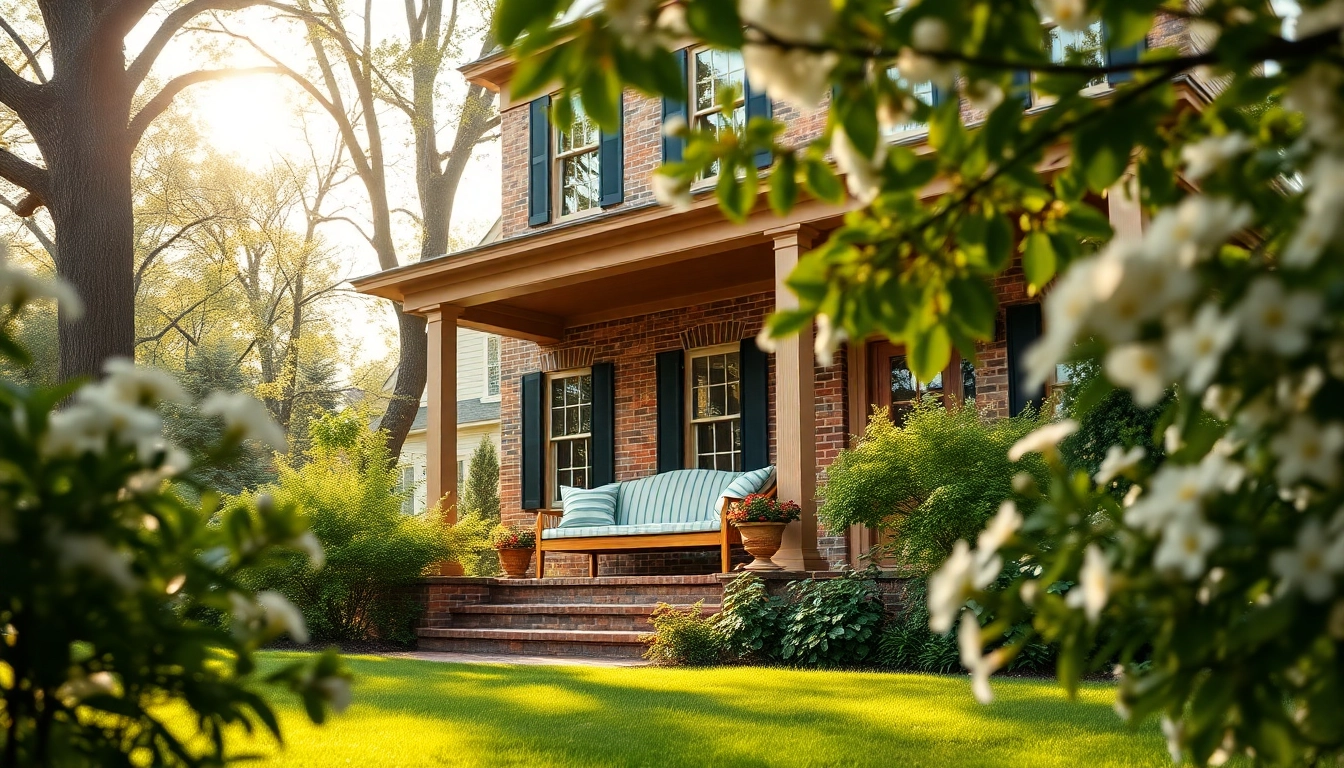
Colonial homes, originating in the early settlement periods of America, reflect the architectural styles brought over by European settlers. The design often exhibits symmetrical façades, gabled roofs, and a dynamic range of materials, from wood clapboards to brick. These homes not only served as residential spaces but also embodied the socio-cultural values of their respective eras. Achieving authenticity in colonial home renovation means appreciating their historical context, and recognizing their influence from Georgian to Federal styling.
Benefits of Renovating Colonial Homes
Renovating a colonial home not only enhances its visual appeal but also improves functionality and value. One significant advantage is the ability to meld modern amenities with historical charm, something many buyers find attractive. Furthermore, properly executed renovations can significantly increase a home’s marketability, tapping into the growing trend of buyers seeking character-laden, historic properties. A thoughtfully renovated colonial home can showcase timeless aesthetics while offering comforts suitable for contemporary lifestyles.
Key Considerations Before Starting Renovation
Before diving into a colonial home renovation, several key considerations should be assessed. Start by understanding local zoning regulations and historic preservation guidelines, as they can affect your project. Establish a renovation goal—whether it’s aesthetic enhancement, structural improvement, or energy efficiency—and ensure you conduct thorough research on the original architectural elements that define your home. Importantly, be prepared for unforeseen issues, particularly with older structures, which may include outdated wiring, plumbing, or structural weaknesses.
Planning Your Colonial Home Renovation
Creating an Authentic Design Plan
The cornerstone of any successful colonial home renovation is a well-thought-out design plan. Engage with an architect or designer who specializes in historic homes to develop a vision that respects the original character. Start by researching design elements typical of your specific colonial style—be it Dutch, Spanish, or English—and incorporate those features into your plans. Aim for congruity by blending new elements seamlessly with existing structures, using paint colors, siding materials, and trim styles that align with the colonial aesthetic.
Budgeting for Colonial Home Renovation
Budgeting for your renovation project is crucial. Begin by determining your total budget and allocating funds for both expected and unexpected expenses, ensuring that you have a contingency of at least 10-20% of your total budget for unforeseen issues. Costs can vary dramatically based on the scale of the project, the rarity of materials, and professional versus DIY approaches. Research costs online, and consult contractors to obtain estimates to create a realistic and informed budget.
Choosing the Right Materials and Finishes
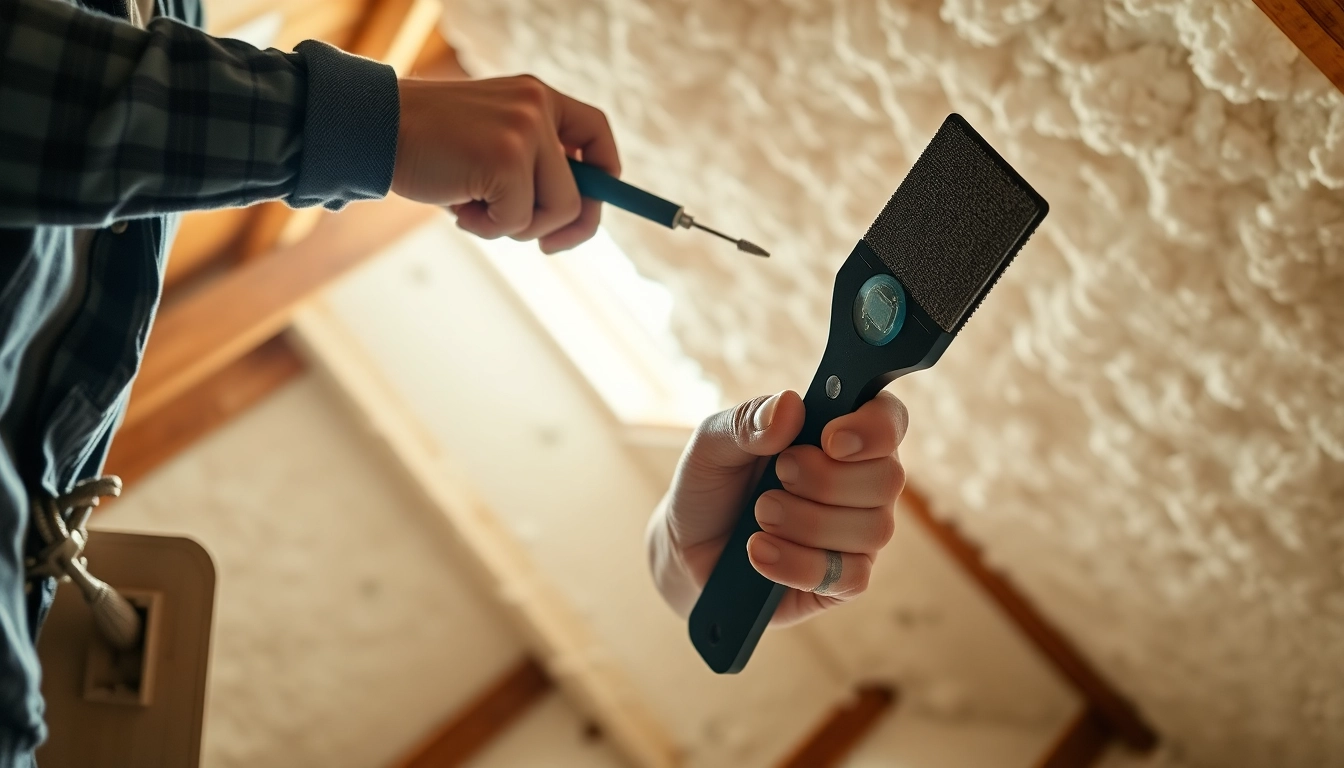
The selection of materials in a colonial home renovation is essential to maintain authenticity and longevity. Historical accuracy should be the primary focus when selecting finishes—opt for materials like hardwood flooring, period-appropriate tiles, and authentic paint colors. Where possible, utilize reclaimed materials that not only preserve the character of the home but also contribute to sustainable renovation practices. Furthermore, ensure that modern materials, such as insulation, do not compromise the visual integrity of historical finishes.
Executing the Renovation Process
Hiring Professionals vs. DIY Options
Deciding between hiring professionals or undertaking DIY renovations can significantly affect the outcome of your project. While DIY may seem cost-effective, tasks like electrical work, plumbing, or structural repairs often require licensed professionals to ensure safety and compliance with local building codes. It’s advisable to hire experts for major aspects of the renovation while leaving minor tasks, such as painting or landscaping, to your own capabilities. Proper assessment of skills, resources, and time will help you make the right choice.
Managing Renovation Timelines Effectively
A well-planned timeline can greatly enhance the renovation experience, reducing stress and ensuring that tasks are completed on schedule. It is advisable to create a detailed timeline outlining each phase of the renovation, from design approval to material acquisition and construction. Regularly check in with contractors and vendors to ensure adherence to the timeline and make adjustments as necessary, accommodating delays that can arise from material shortages or permitting issues.
Staying True to Colonial Aesthetics
Maintaining the indigenous charm of a colonial home is essential during renovations. Preserve architectural features such as moldings, window styles, and door hardware. If alterations are required, opt for historically accurate reproductions to blend seamlessly with existing facets. When making changes that involve expansion or additions, ensure they compliment the original house’s proportions and scale, preserving the harmonious balance that characterizes colonial design.
Common Challenges in Colonial Home Renovation
Dealing with Structural Issues
One of the primary challenges in renovating colonial homes is addressing structural issues inherent in older houses. Issues like foundation settling, moisture intrusion, and wood rot often surface during renovations. A comprehensive structural inspection is essential prior to any renovation work, enabling you to identify any necessary repairs or reinforcements early in the process to avoid costly delays later. Collaborating with structural engineers or qualified inspectors can ensure structural longevity and safety.
Permitting and Regulation Considerations
Renovating a colonial home often involves navigating a complex web of local permits and regulations, particularly if your home is located in a historical district. These regulations may dictate specific requirements for maintaining historical integrity during renovations. Before starting, consult with local governmental bodies or historical societies to ensure compliance, streamline the permitting process, and avoid potential penalties that could arise from non-compliance.
Balancing Modern Amenities with Historical Integrity
Incorporating modern amenities while preserving historical integrity presents a balancing act. Homeowners can achieve this by integrating energy-efficient windows, HVAC systems, and updated electrical systems without detracting from the home’s charm. Choose discreet placements for these modern systems, and where possible, design them to blend with the historical layout. It can also be helpful to research modern conveniences that mimic historical aesthetics, ensuring functional upgrades do not overshadow the home’s original allure.
Showcasing Your Renovated Colonial Home
Designing Outdoor Spaces
A well-planned outdoor space can enhance the overall aesthetic of a colonial home, creating a seamless transition from indoor to outdoor living. Incorporate traditional elements such as brick patios, white picket fences, or period-specific landscaping, reflecting styles popular during the colonial era. Don’t overlook the importance of outdoor lighting, which can enhance the beauty of your home at night, highlighting architectural features and creating inviting atmospheres.
Photography Tips for Stunning Visuals
Once the renovation is complete, showcasing your home through quality photography can help highlight your hard work. Utilize natural light to your advantage, shooting during golden hour for soft, flattering lighting. Combine wide-angle shots to capture the breadth of rooms and focus on intricate details that tell the home’s story. Consider hiring a professional photographer with experience in architectural photography to ensure that your home is portrayed in its best light, reflecting the essence of your colonial renovation.
Sharing Your Story to Inspire Others
Sharing your renovation journey can inspire others who may embark on similar projects. Consider documenting your three-stage experience: the preparation, planning, and execution phases. Social media platforms or home improvement blogs provide excellent outlets for sharing before-and-after photos, detailing challenges faced and lessons learned. Engaging storytelling not only serves as a testament to your accomplishments but also fosters a sense of community among enthusiasts of colonial home renovation.
Frequently Asked Questions
What defines a colonial home?
Colonial homes are characterized by their symmetrical shapes, gabled roofs, and classic detailing, often reflecting historical architectural styles from various regions.
Is renovating a colonial home expensive?
Costs vary based on the extent of renovation and materials used. Factors like structural repairs and historical accuracy can raise costs.
Can I do a colonial home renovation myself?
While some renovations can be DIY, it’s advisable to hire professionals for complex tasks to ensure structural integrity and compliance with codes.
How do I maintain the historical integrity of my colonial home?
Use traditional materials and design elements while ensuring any new additions complement the original architecture for authenticity.
What are some popular design features in colonial home renovations?
Popular features include crown molding, hardwood floors, and period-appropriate windows that enhance the home’s historical character.